


Collection: Cold Press Oils
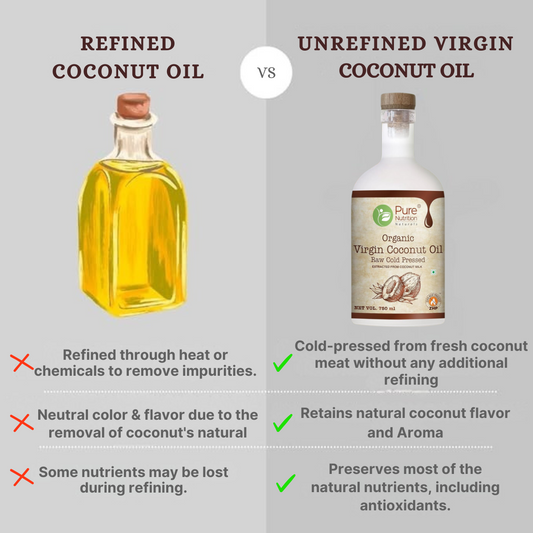
Cold pressed oils are extracted by mechanically pressing the fruit, seed or kernel at low temperature, with no chemical solvents, bleaching or added heat, so the natural aroma, colour and nutrients of the source stay intact. This collection brings together Pure Nutrition's virgin coconut oil, virgin olive oil and extra virgin olive oil in sizes from 200ml to 2 litres, for cooking, hair and skin. It also includes two refined grades, Extra Light and Pomace Olive Oil, for tadka, deep frying and other high-heat Indian cooking, since cold pressed oils are best kept below their smoke point.
-
Organic Virgin Coconut Oil Cold-Press...
Provide Antioxidants and MUFA Helps manage cholesterol levels Moisturize Hair and skinSale 4% Off Sold outRegular price Rs. 1,149Regular priceUnit price perRs. 1,199Sale price Rs. 1,149Sale -
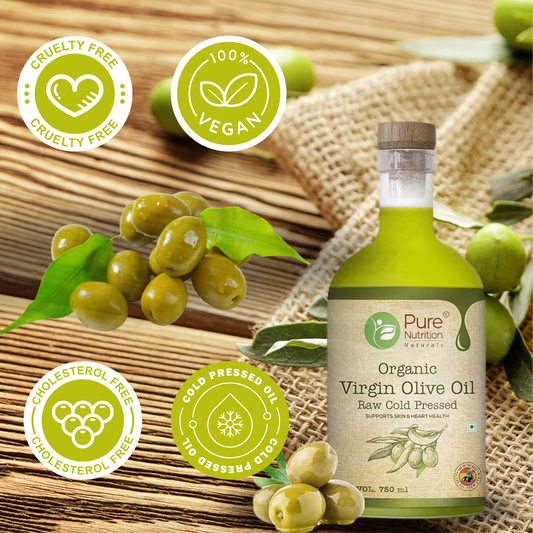
Organic Virgin Edible Olive Oil - 750...
Provide Antioxidants and MUFA Helps manage cholesterol levels Moisturize Hair and skinSale 20% Off Sold outRegular price Rs. 1,199Regular priceUnit price perRs. 1,499Sale price Rs. 1,199Sale -
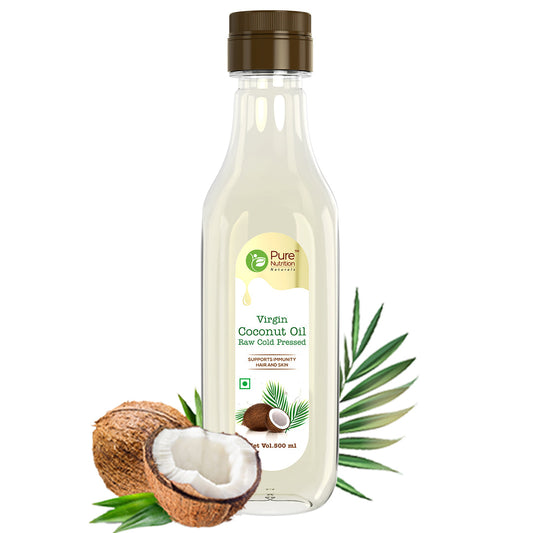
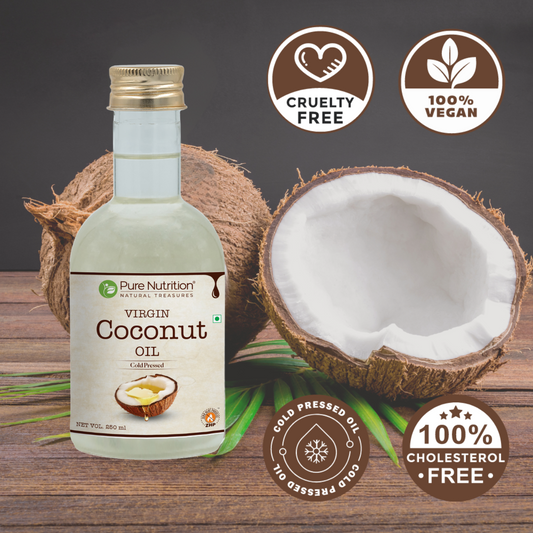
Virgin Coconut Oil 500ml | Cold Press...
Provide Antioxidants and MUFA Helps manage cholesterol levels Moisturize Hair and skinSale 21% Off Sold outRegular price Rs. 470Regular priceUnit price perRs. 599Sale price Rs. 470Sale -
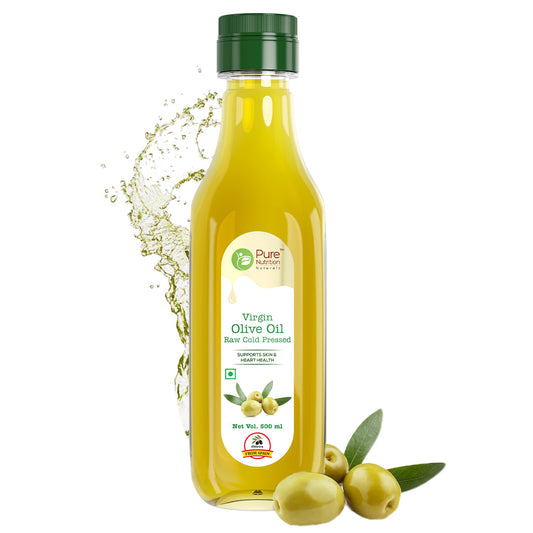
Virgin Olive Oil 500ml | Cold Pressed...
Sale 41% Off Sold outRegular price Rs. 533Regular priceUnit price perRs. 899Sale price Rs. 533Sale -
Virgin Coconut Oil 1000ml | Cold Pres...
Provide Antioxidants and MUFA Helps manage cholesterol levels Moisturize Hair and skinSale 35% Off Sold outRegular price Rs. 839Regular priceUnit price perRs. 1,299Sale price Rs. 839Sale -
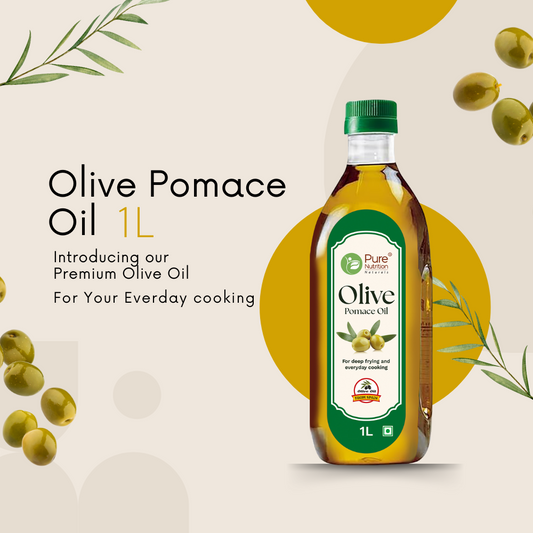
Pomace Olive Oil: Ideal for Indian Co...
Healthy Heart Provide Antioxidants Perfect for everyday Indian cookingSale 52% Off Sold outRegular price Rs. 959Regular priceUnit price perRs. 1,999Sale price Rs. 959Sale -
Extra Light Olive Oil - 500ml | 100% ...
Healthy Heart Weight Management Neutral FlavourSale 42% Off Sold outRegular price Rs. 581Regular priceUnit price perRs. 999Sale price Rs. 581Sale -
Raw Cold Pressed Virgin Olive Oil 25...
Provide Antioxidants and MUFA Helps manage cholesterol levels Moisturize Hair and skinSale 20% Off Sold outRegular price Rs. 358Regular priceUnit price perRs. 450Sale price Rs. 358Sale -
Pomace Olive Oil Ideal for Indian Coo...
Healthy Heart Provide Antioxidants Perfect for everyday Indian cookingSale 43% Off Sold outRegular price Rs. 689Regular priceUnit price perRs. 1,199Sale price Rs. 689Sale -
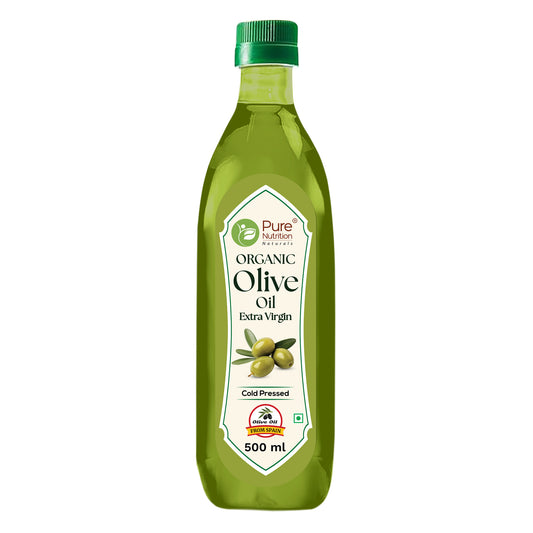
Extra Virgin Olive Oil Cold Pressed ...
Natural AntioxidantSale 39% Off Sold outRegular price Rs. 549Regular priceUnit price perRs. 899Sale price Rs. 549Sale -
Raw Cold Pressed Virgin Coconut Oil ...
Provide Antioxidants and MUFA Helps manage cholesterol levels Moisturize Hair and skinSale 19% Off Sold outRegular price Rs. 242Regular priceUnit price perRs. 299Sale price Rs. 242Sale -
Extra Virgin Cold Pressed Olive Oil ...
Sale 12% Off Sold outRegular price Rs. 309Regular priceUnit price perRs. 350Sale price Rs. 309Sale -
Extra Virgin Cold Pressed Coconut Oil...
Sale 32% Off Sold outRegular price Rs. 238Regular priceUnit price perRs. 350Sale price Rs. 238Sale













FAQ's
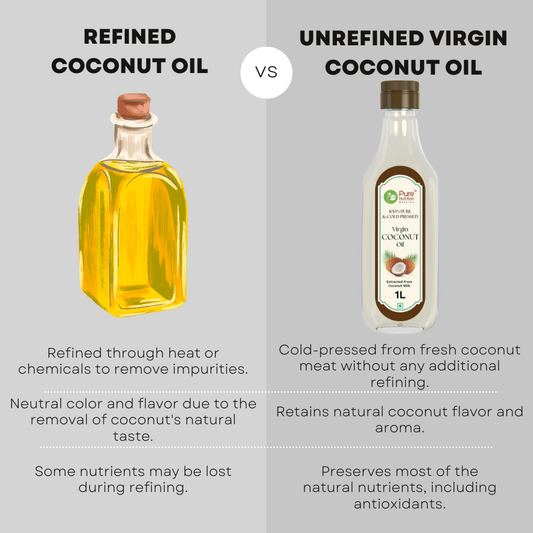
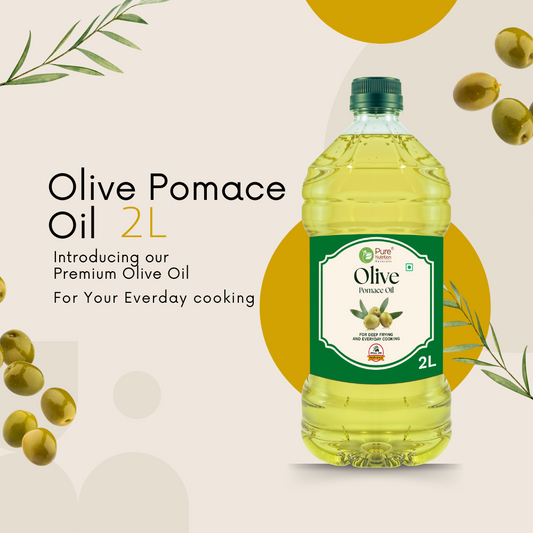
Extra virgin and virgin olive oil are both cold pressed from whole olives and left unrefined; extra virgin has a stronger fruity, peppery taste, while virgin is milder. Pomace olive oil is drawn from the olive pulp left after the first press and is refined and neutral-flavoured, which is why it tolerates higher heat and works better for frying than for finishing.
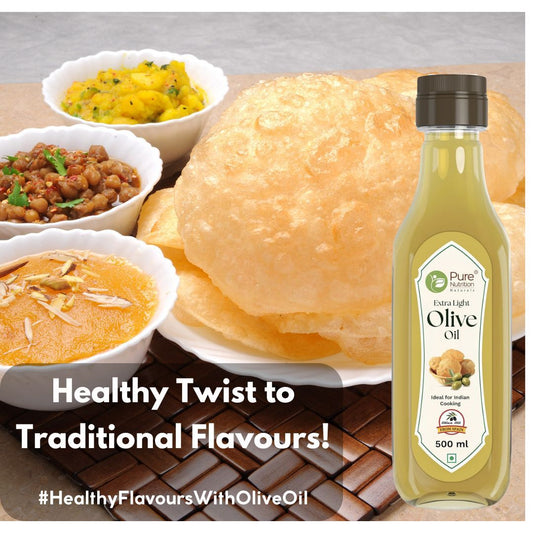
Not usually. Cold pressed oils have lower smoke points and start to break down sooner at frying temperatures. For deep frying, tadka and other high-heat Indian cooking, use a refined grade such as Extra Light Olive Oil or Pomace Olive Oil, and keep cold pressed oils for finishing and lighter cooking.
It depends on the dish. Virgin coconut oil suits South Indian preparations where its aroma belongs. Virgin and extra virgin olive oil suit salads, sautéed vegetables and pasta. For everyday frying, curries and tadka where you don't want a coconut or olive flavour, a refined grade such as Extra Light or Pomace Olive Oil is more practical.
No. Pure coconut oil sets solid below roughly 24°C and turns liquid again in warmer weather or when the bottle is warmed slightly. This is a normal physical property, not spoilage. Solidifying in cool weather is actually one of the simple signs that you're looking at genuine, unadulterated coconut oil.
Yes. The virgin coconut oils in this collection are single-ingredient, unrefined and food-grade, so the same bottle works for cooking, hair, skin and oil pulling. Many buyers keep a larger 500ml or 1L bottle in the kitchen and a 200ml or 250ml bottle in the bathroom.
Yes, that's what keeps it solid at cooler temperatures. It also supplies lauric acid and medium-chain triglycerides. Most dietary guidance suggests rotating between different cooking fats rather than relying on any single oil, so coconut oil is best used alongside others rather than replacing all of them.
Use an opened bottle within a few months for the best aroma and flavour, since unrefined oils lose their flavour compounds faster than refined ones once exposed to light, air and heat. Store the bottle in a cool, dry place away from direct sunlight and the stove, keep the cap tightly closed, avoid dipping wet or used spoons into it, and check the manufacturing and best-before dates on the pack.
The virgin coconut oil and virgin olive oil product pages list baby massage among their uses. As with any oil used on an infant, patch-test on a small area first and check with your paediatrician before regular use, especially for newborns or babies with sensitive skin.

