


Collection: Fitness & Workout Supplements for Muscle Growth, Recovery & Performance
Shop Pure Nutrition fitness and workout supplements for protein intake, training and recovery. This collection includes whey protein blends in Cafe Mocha, Kulfi and Chocolate, plant-based pea, soy and vegan protein powders, creatine monohydrate, BCAA and EAA supplements, other amino acids, L-carnitine, electrolytes, caffeine and pre-workout support in powder, capsule, liquid and effervescent formats.
-
Whey Protein Blend For Muscle buildin...
Sale 17% Off Sold outRegular price Rs. 2,999Regular priceUnit price perRs. 3,600Sale price Rs. 2,999Sale -
Whey Protein Blend For Muscle buildin...
Sale 20% Off Sold outRegular price Rs. 1,439Regular priceUnit price perRs. 1,800Sale price Rs. 1,439Sale -
Whey Protein Blend For Muscle buildin...
Sale 28% Off Sold outRegular price Rs. 1,444Regular priceUnit price perRs. 1,999Sale price Rs. 1,444Sale -
Whey Protein Blend for Muscle Recover...
Sale 25% Off Sold outRegular price Rs. 2,999Regular priceUnit price perRs. 3,999Sale price Rs. 2,999Sale -
L-Carnitine L-Tartrate Effervescent T...
Sale 32% Off Sold outRegular price Rs. 474Regular priceUnit price perRs. 699Sale price Rs. 474Sale -
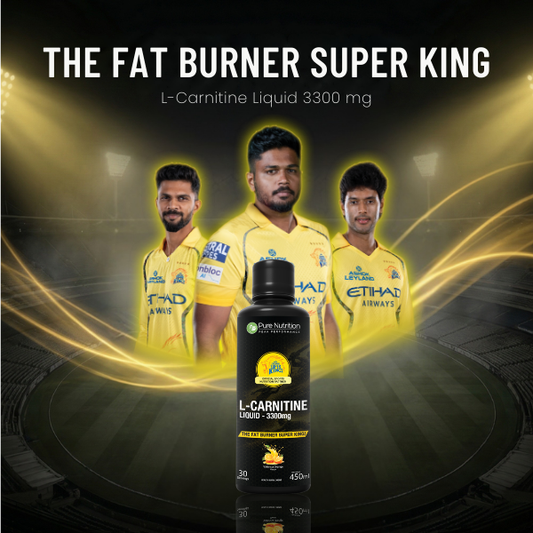
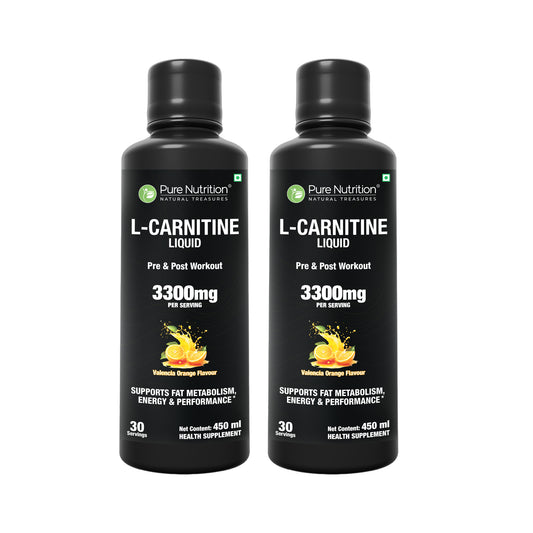
L-Carnitine Liquid 3300mg – Fat Metab...
Sale 33% Off Sold outRegular price Rs. 809Regular priceUnit price perRs. 1,199Sale price Rs. 809Sale -
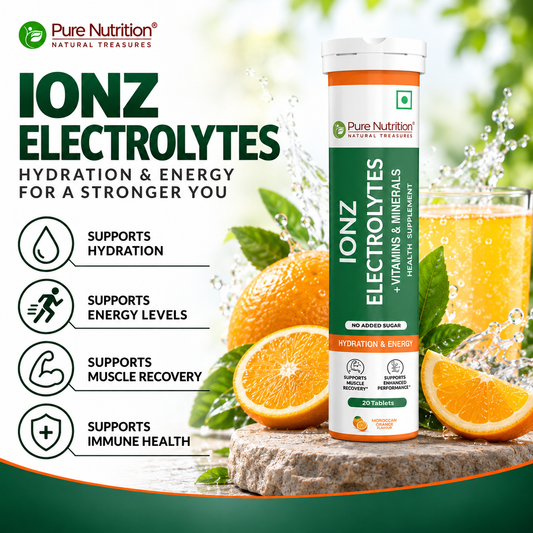
IONZ Electrolytes + Vitamins & Minera...
Support Muscle Recovery Enhances athletic performanceSale 27% Off Sold outRegular price Rs. 290Regular priceUnit price perRs. 399Sale price Rs. 290Sale -
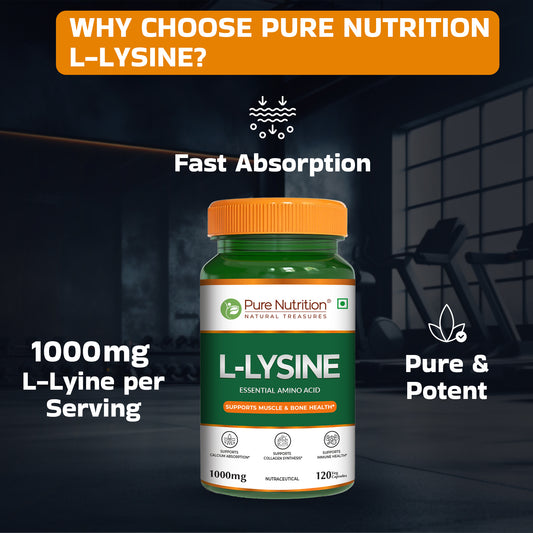
L-Lysine 1000mg Capsules Immune Supp...
Sale 25% Off Sold outRegular price Rs. 599Regular priceUnit price perRs. 799Sale price Rs. 599Sale -
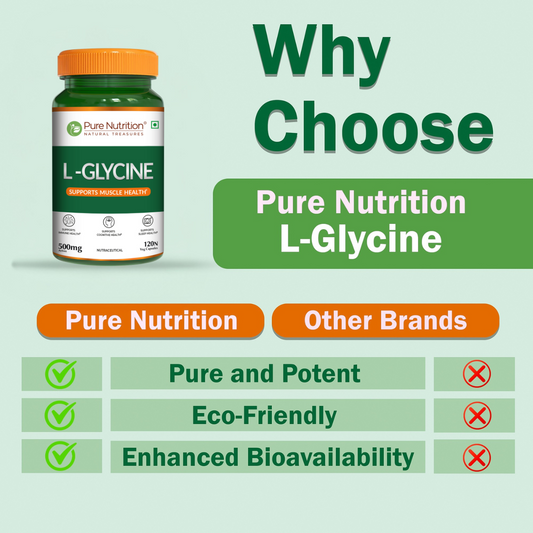
L-Glycine 500mg Veg Capsules Muscle,...
Muscle Health Stress Relief Support Brain HealthSale 24% Off Sold outRegular price Rs. 609Regular priceUnit price perRs. 799Sale price Rs. 609Sale -
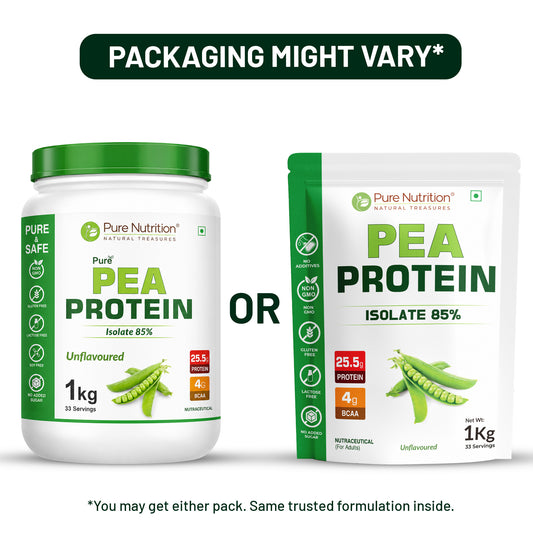
Pea Protein Isolate Powder 1kg 25.5g...
Muscle growth Weight Management Boost metabolismSale 39% Off Sold outRegular price Rs. 911Regular priceUnit price perRs. 1,499Sale price Rs. 911Sale -
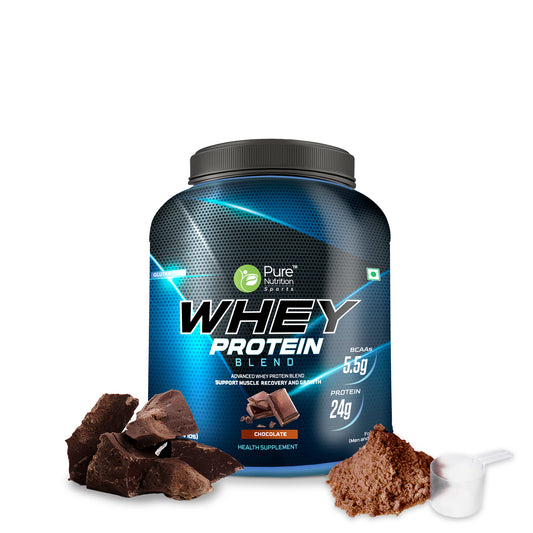
Whey Protein Blend - 2kg | 5.5g BCAA,...
High Protein Content – Each serving provides 25.5g of pure plant-based. Rich in BCAAs – With 4g of Branched-Chain Amino Acids . it aids in muscle repair, reduces soreness. 100% plant-based protein, ideal for vegans, vegetarians, and anyone avoiding animal products.Sale 20% Off Sold outRegular price Rs. 6,399Regular priceUnit price perRs. 7,999Sale price Rs. 6,399Sale -
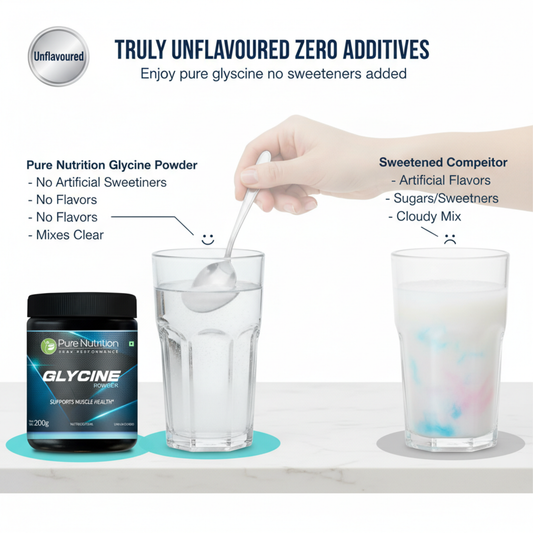
Glycine Powder 200g | Amino Acid for ...
Sale 35% Off Sold outRegular price Rs. 387Regular priceUnit price perRs. 599Sale price Rs. 387Sale -
L-Carnitine for Pre & Post Workout
Boost metabolism Helps improve energy levelSale 46% Off Sold outRegular price Rs. 809Regular priceUnit price perRs. 1,499Sale price Rs. 809Sale -
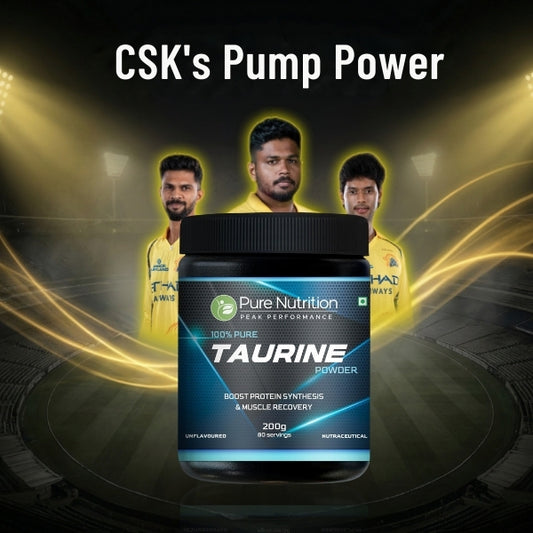
L-Taurine Powder - 200g | Amino Acid ...
Enhances Endurance Contains Garcinia Cambogia, Green Tea Extract, Green Coffee Seed Extract, Grape Seed Extract & L-Carnitine Heart Health & Blood Pressure SupportSale 45% Off Sold outRegular price Rs. 436Regular priceUnit price perRs. 799Sale price Rs. 436Sale -
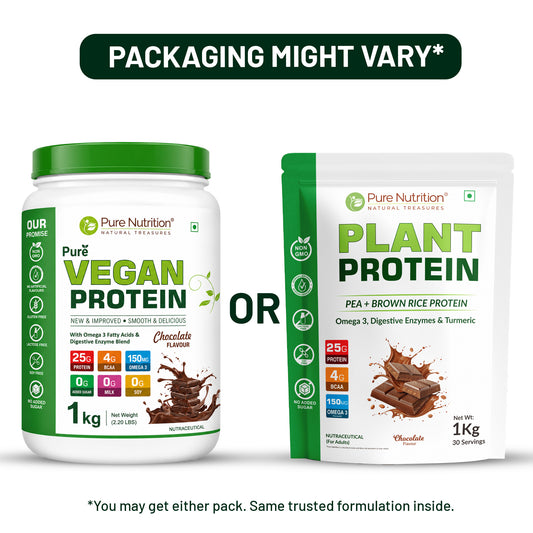
Plant-Based Vegan Protein Powder Choc...
Individuals seeking plant-based, natural, and holistic wellness solutions. Ideal for health-conscious people, vegans, vegetarians, and anyone looking to boost their overall well-being without relying on synthetic supplements.Sale 17% Off Sold outRegular price Rs. 1,842Regular priceUnit price perRs. 2,224Sale price Rs. 1,842Sale -
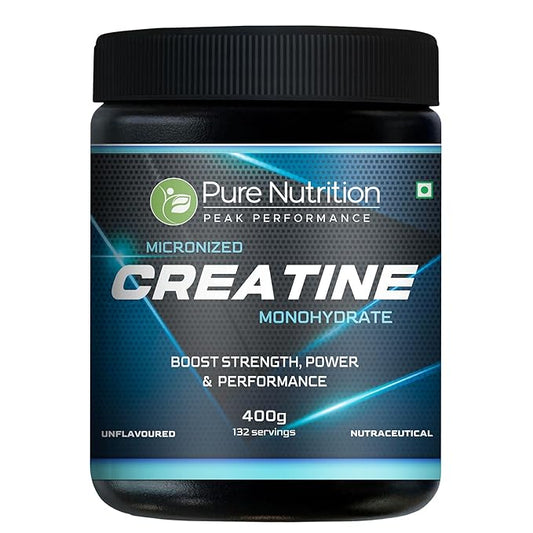
Micronised Creatine Monohydrate Powde...
Speeds up muscle Recovery Post workout Enhance Performance & Endurance Increase Muscle StrengthSale 29% Off Sold outRegular price Rs. 709Regular priceUnit price perRs. 999Sale price Rs. 709Sale
















FAQ's
The collection includes whey protein blends, pea protein, soy protein, vegan protein, creatine monohydrate, BCAA, EAA, glutamine, glycine, taurine, leucine, lysine, L-carnitine, caffeine, beta-alanine, L-citrulline, nitric oxide support and electrolytes.
Choose whey if you consume dairy and want a whey concentrate-and-isolate blend. Choose pea, soy or vegan protein if you prefer a plant-based or dairy-free option. Compare the nutrition label, ingredients and serving information for the specific product.
BCAA supplements contain branched-chain amino acids, specifically leucine, isoleucine and valine. EAA supplements contain all nine essential amino acids. They are different formulas, so selection should depend on the product label and your overall nutrition routine.
This collection includes caffeine tablets, L-citrulline, beta-alanine, nitric oxide support and taurine products positioned for active training routines. Check the ingredient list, serving instructions and caffeine content before use.
Start with your diet, training goal and the specific nutrient you want to add. Protein powder may be a convenient option when dietary protein is difficult to meet through food, but no supplement replaces balanced nutrition, training and recovery.
Some products may be compatible, but this depends on their ingredients, serving sizes, medications, health conditions and individual needs. Follow each product label and consult a qualified healthcare professional when unsure.

