Amino Acid Supplements for Recovery, Strength & Performance
Pure Nutrition's Amino Acid Supplements collection brings together individual amino acids and closely related recovery compounds BCAA, EAA, L‑Glutamine, Beta‑Alanine, L‑Citrulline DL‑Malate, L‑Taurine, L‑Carnitine, L‑Glycine, and Creatine Monohydrate in unflavoured powders, a liquid, and vegetarian capsules. Each targets a different goal, from workout energy and muscle recovery to hydration, fat metabolism, and sleep support, so the right choice depends on your training goal rather than the category as a whole. Indian diets often lean on cereal-based staples that can run lower in certain amino acids, such as lysine, so a targeted amino acid supplement can help round out what diet and a protein shake alone may not fully cover.
What Is an Amino Acid Supplement?
An amino acid supplement provides one or more amino acids the organic compounds your body uses to build proteins in an isolated form, rather than as part of whole food or whey protein. Nine of these, the essential amino acids (EAAs), cannot be made by the body and must come from food or supplements; three of the nine leucine, isoleucine, and valine are further grouped as branched-chain amino acids (BCAAs) because of their shared molecular structure. Others in this collection, including glutamine, glycine, taurine, citrulline, and beta-alanine, are amino acids the body typically produces on its own but may draw on more heavily during intense training.
Why Choose Amino Acid Supplements?
Amino acid supplements let you target a specific need rather than simply increasing overall protein intake. Because they're already broken down into free-form amino acids, they don't need to go through the digestion that whole protein does, so they're absorbed and available to the body faster useful when timing matters, such as during or right after a workout. This is a practical addition to a protein-focused diet, particularly in India, where cereal-heavy eating patterns can run lower in certain amino acids. Formats range from unflavoured powders that mix into water to ready-to-take vegetarian capsules, so format doesn't have to dictate which ingredient you choose.
Explore Our Amino Acid Supplements Collection
Nine distinct amino acids and closely related compounds make up this collection's 11 products, grouped below by what they actually do rather than by ingredient name alone.
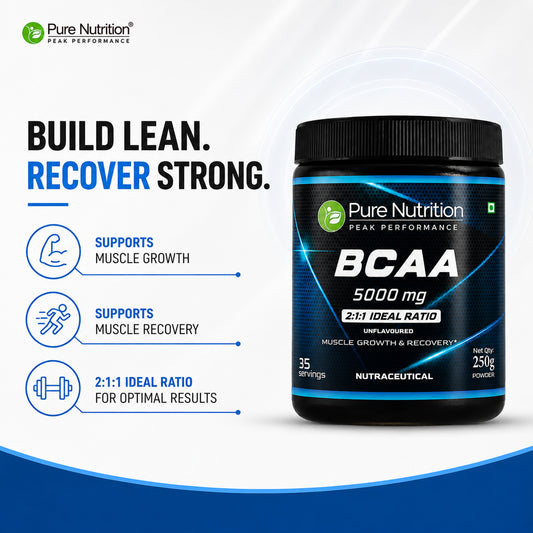
Branched-chain and essential amino acids for muscle protein synthesis. BCAA 5000mg (2:1:1) delivers three amino acids leucine, isoleucine, and valine in the 2:1:1 ratio, aimed at workout energy and reducing training fatigue. EAA Powder goes further, providing all nine essential amino acids (the three BCAAs plus lysine, methionine, phenylalanine, threonine, tryptophan, and histidine), supporting fuller muscle protein synthesis and recovery. Both are unflavoured powders meant to mix into water or a shake.
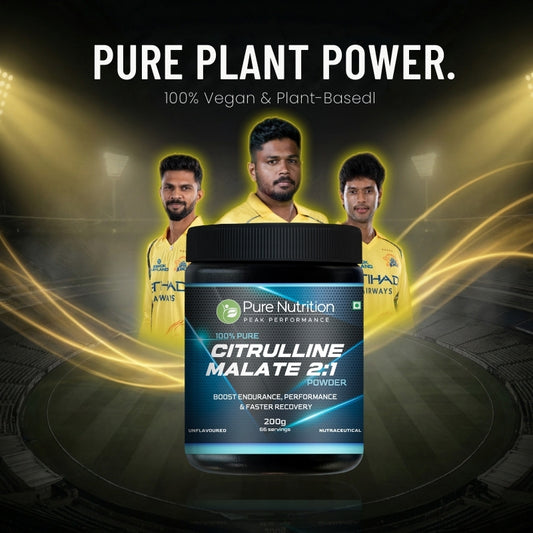
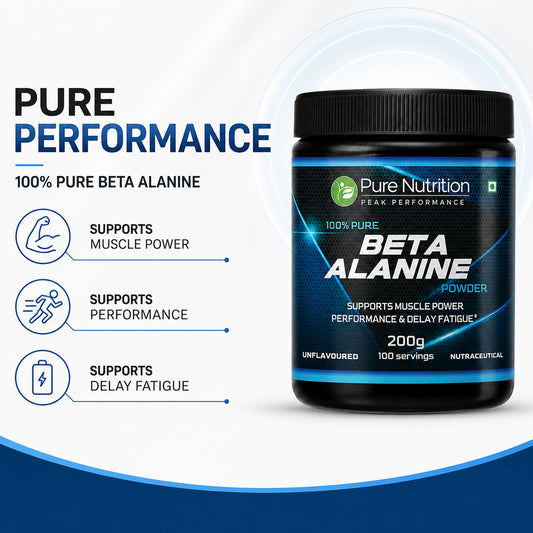
Pre-workout performance aminos for endurance and blood flow. Beta-Alanine Powder is sold as a single, pure ingredient (200g) that supports muscle carnosine levels with consistent use, helping buffer fatigue during high-intensity training. L‑Citrulline DL‑Malate 2:1 Powder combines citrulline with malate to support nitric oxide production and blood flow, typically taken 30–60 minutes before training. Both are unflavoured and best used ahead of a workout rather than as daily maintenance.
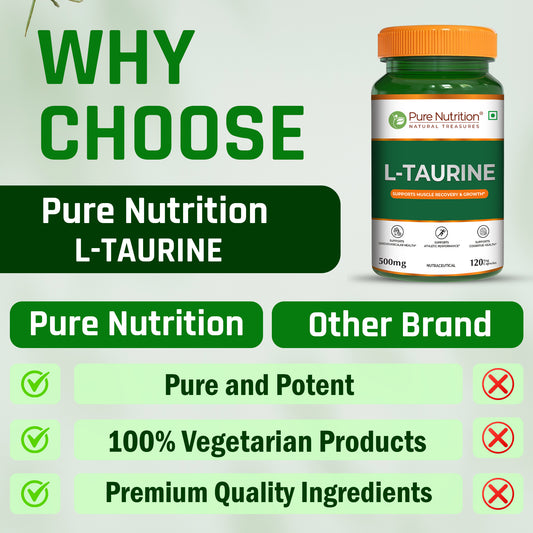
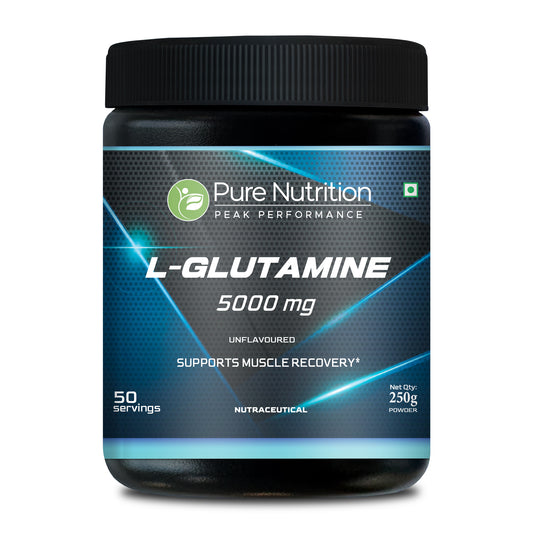
Recovery and hydration aminos. L‑Glutamine Powder one of the most abundant amino acids in muscle tissue supports post-workout recovery and also plays a role in gut health. L‑Taurine is available as an unflavoured 200g powder or as 500mg vegetarian capsules; either way, it supports hydration, fluid balance, and general muscle recovery, so the choice between the two comes down to whether you'd rather mix a scoop or take a capsule.
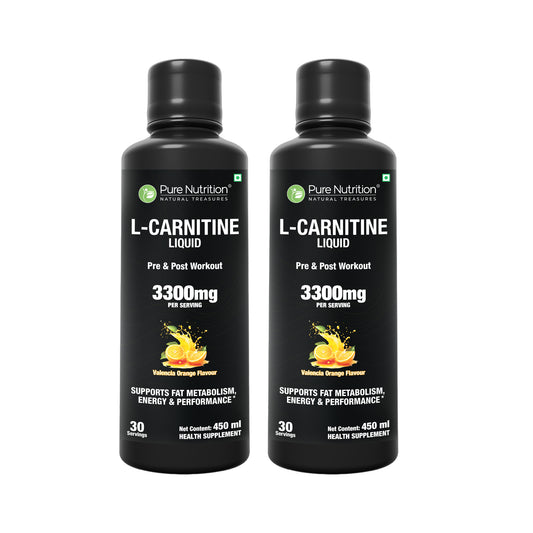
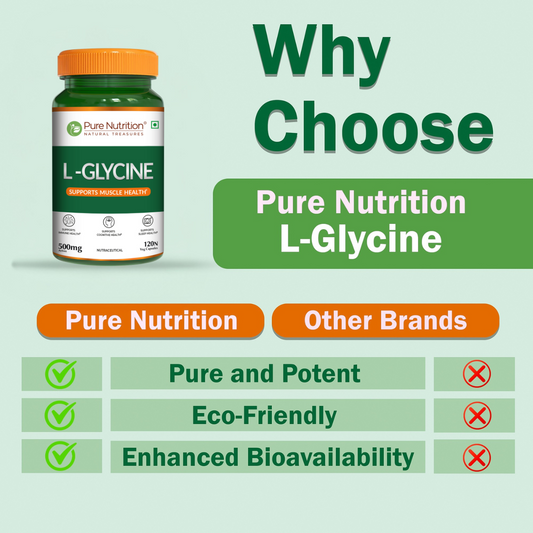
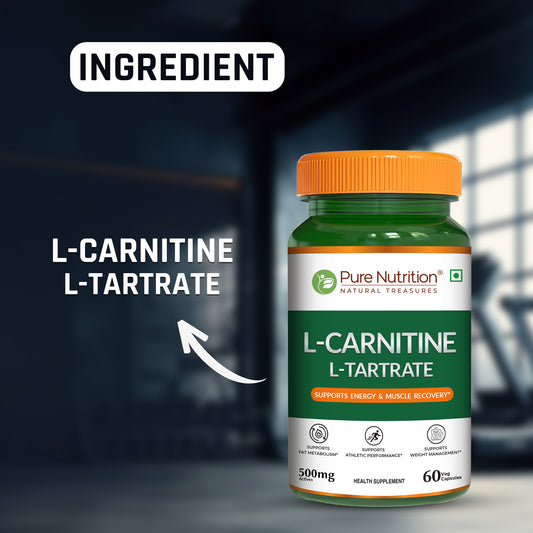
Metabolism and daily wellness aminos. L‑Carnitine is available as a sugar-free 3,300mg liquid in Valencia orange flavour, meant to be taken before exercise, or as 500mg L‑Carnitine L‑Tartrate vegetarian capsules for a simpler daily dose both support the body's energy metabolism and the transport of fatty acids for fuel. L‑Glycine 500mg Capsules cover a different need: muscle function, cognitive clarity, and sleep quality, which is why it's often taken in the evening rather than around a workout.
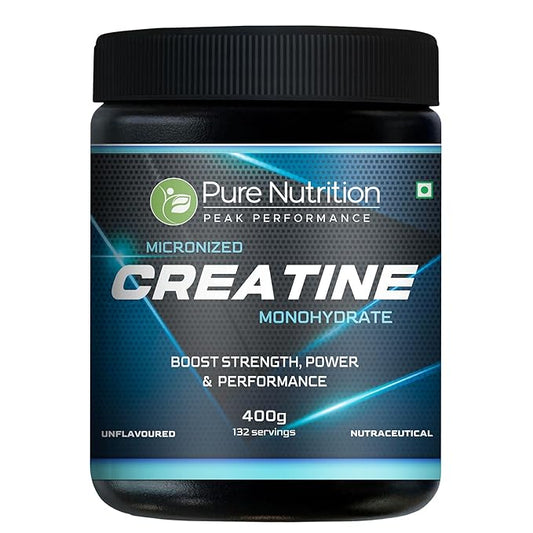
Creatine Monohydrate related, but not an amino acid. Micronised Creatine Monohydrate (available in 100g, 250g, and 400g) is included here because it targets the same strength and recovery goals as the amino acids around it, not because it's classified as one. Creatine is a compound the body makes from three amino acids arginine, glycine, and methionine but it isn't one of the 20 standard amino acids used to build protein. For more detail, see Pure Nutrition's guides on choosing a creatine monohydrate in India and creatine's regulatory status in India.
BCAA vs EAA: Which Should You Choose?
BCAAs and EAAs are related, but they are not the same. BCAAs include three essential amino acids leucine, isoleucine and valine while EAAs provide all nine essential amino acids required from dietary sources.
BCAA (2:1:1)
BCAA supplements contain leucine, isoleucine and valine in a 2:1:1 ratio. They are commonly used around workouts when someone wants targeted BCAA supplementation, particularly if their overall protein intake is already adequate.
EAA (All 9 Essential Amino Acids)
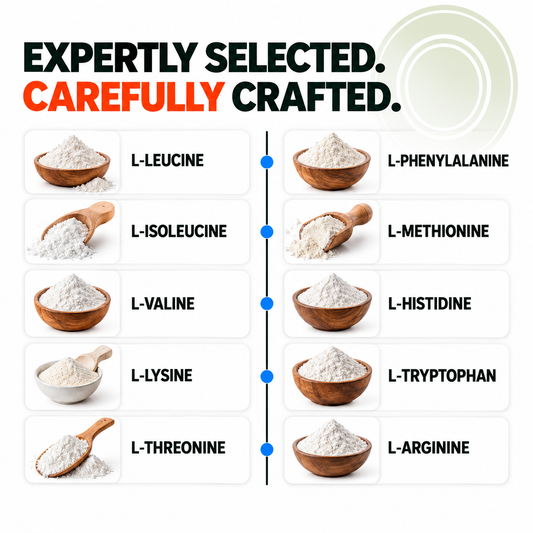
EAA supplements provide all nine essential amino acids: leucine, isoleucine, valine, lysine, methionine, phenylalanine, threonine, tryptophan and histidine. Because they provide the complete set of EAAs, they offer broader amino acid coverage than BCAA alone.
Which one should you choose?
- Choose BCAA if you specifically want leucine, isoleucine and valine and already get adequate protein from your diet.
- Choose EAA if you want broader coverage of all nine essential amino acids in one supplement.
- Already taking whey protein? You may not need additional BCAA or EAA if your total protein intake is already sufficient.
- Want broader amino acid coverage? EAA is the more complete option because it contains all nine essential amino acids.
Important: BCAAs are a subset of EAAs every BCAA is an essential amino acid, but not every EAA is a BCAA. Adding both products may be unnecessary when your diet or another supplement already provides the same amino acids.
Is EAA better than BCAA?
EAA provides all nine essential amino acids, while BCAA provides only three. If you want broader essential amino acid coverage, EAA is the more complete choice; BCAA may be useful when you specifically want leucine, isoleucine and valine supplementation.
How to Choose the Right Amino Acid Supplement?
Start with the goal you're training for rather than the ingredient name on the label most people see better results from one or two targeted aminos than from stacking every product in this collection at once.
- Building or preserving muscle: Start with EAA Powder for the full amino acid profile, or BCAA if you mainly want workout-specific energy; add Creatine Monohydrate if strength and power are the priority.
- Workout endurance and training fatigue: Beta-Alanine Powder and L‑Citrulline DL‑Malate are formulated for use before training, not as daily maintenance.
- Recovery and hydration: L‑Glutamine Powder and L‑Taurine (powder or capsule) support this outside pure muscle-building.
- Fat metabolism and daily energy: L‑Carnitine, as a liquid or capsule, fits into a daily routine rather than a training-specific one.
- Sleep or general wellness: L‑Glycine Capsules are the one product here not tied to workout timing at all.
- Powder or capsule: choose powder for mixing flexibility and dosing control, or capsules if you'd rather skip measuring, mixing, and taste.
- Already using whey protein? Decide whether you need broader amino coverage (EAA) or a specific gap recovery, endurance, or hydration before adding more than one new product at a time.
Frequently Asked Questions
Q. Do I need amino acid supplements if I already drink whey protein?
A. Not necessarily whey protein already supplies all nine essential amino acids once digested. But targeted aminos like L‑Glutamine, Beta‑Alanine, or L‑Citrulline DL‑Malate support things whey doesn't directly address, such as endurance, buffering training fatigue, or blood flow during a workout. If you're already meeting your protein target, think of an amino acid supplement as an addition for a specific goal rather than a whey protein replacement.
Q. What's the best time to take amino acid supplements?
A. Timing depends on the product. BCAA, EAA, and L‑Citrulline DL‑Malate are meant for use during or shortly before training; Beta‑Alanine works best taken 30–45 minutes pre-workout; and L‑Glutamine, L‑Taurine, L‑Glycine, and Creatine Monohydrate are designed for consistent daily use regardless of training time. Check the dosage guidance on each product page for the specific recommendation.
Q. Should I choose amino acid powder or capsules?
A. Both formats deliver the same active ingredient, so the choice comes down to convenience. Powders (BCAA, EAA, Glutamine, Beta‑Alanine, Citrulline DL‑Malate, Taurine Powder) mix into water or a shake and suit a gym routine already built around a shaker bottle. Capsules (L‑Glycine, L‑Carnitine L‑Tartrate, L‑Taurine 500mg) skip the mixing and taste, which works better for daily, at-home, or travel use.
Q. Is creatine monohydrate the same as an amino acid?
A. No. Creatine monohydrate is a compound your body makes from three amino acids arginine, glycine, and methionine but it isn't one of the 20 standard amino acids used to build protein. It's included in this collection because it targets the same strength, power, and recovery goals as amino acid supplements, not because it's classified as one.
Q. What's the difference between L‑Carnitine Liquid and L‑Carnitine L‑Tartrate capsules?
A. Both deliver the same active compound, L‑Carnitine, in different forms. The Liquid provides 3,300mg per 15ml serving in a sugar-free, Valencia orange–flavoured format meant to be taken before exercise. The L‑Carnitine L‑Tartrate capsules deliver 500mg in a vegetarian capsule for a simpler, no-mixing daily routine. Choose based on whether you'd rather take a measured liquid dose or a capsule.
Q. Are these amino acid supplements suitable for vegetarians?
A. Several are explicitly formulated this way Pure Nutrition's L‑Glycine, L‑Taurine 500mg, and L‑Carnitine L‑Tartrate are made in vegetarian capsule shells, and the unflavoured powders in this collection are single-ingredient or amino-acid-based formulas that don't rely on animal-derived protein sources. If you follow a strict vegetarian or vegan diet, check the ingredient list on each product page to confirm before ordering.
Q. Is it normal to feel a tingling sensation after taking beta-alanine?
A. Yes, for beta-alanine specifically. A brief tingling or prickling sensation on the skin, known as paraesthesia, is a well-documented, harmless response some people notice shortly after taking beta-alanine, and it fades on its own. Splitting your dose into smaller amounts through the day can reduce the sensation if you find it uncomfortable.
Q. Who should consider taking amino acid supplements?
A. People training regularly who want targeted support beyond their regular protein intake for muscle recovery, workout endurance, hydration, or goals like sleep support (L‑Glycine) or fat metabolism (L‑Carnitine). Most single-ingredient aminos in this collection can be used at the labelled dose by beginners and experienced lifters alike; if you're new to supplementation or manage a health condition, check with a healthcare professional first.