Pure Nutrition gut health supplements supporting digestion, nutrient absorption and overall wellness

Gut Health Supplements

Pure Nutrition's Digestion & Gut Health range includes probiotics, prebiotic fibres, digestive enzymes and other digestive-support products in capsule, powder and effervescent formats. These products serve different purposes: probiotics provide live microorganisms, fibre products provide different types of dietary fibre, and digestive-enzyme formulations contain enzymes involved in breaking down food components. Because these categories are not interchangeable, the guide below explains their differences and the product information shoppers can compare before choosing.

What Is Gut Health?

Gut health describes the overall function of the digestive system, including digestion, bowel function, nutrient absorption and the microorganisms that live throughout the gastrointestinal tract. Diet, fibre intake, lifestyle, antibiotics, stress and travel can all influence digestive health and the gut microbiome.

The digestive tract also interacts closely with the body's immune system, which is one reason gut health and immune health are often discussed together. Probiotics, prebiotics, dietary fibre and digestive enzymes are different categories and should not be treated as interchangeable.

Probiotics vs. Prebiotics vs. Digestive Enzymes

Gut health supplements are not a single product type. Probiotics, prebiotics, dietary fibres and digestive enzymes have different ingredients and purposes.

Probiotics

What it is: Live microorganisms, including strains from genera such as Lactobacillus and Bifidobacterium.

What it does: Provides live microorganisms as part of a supplement formulation designed to support the gut microbiome.

Typically chosen for: People looking to include probiotic products in their daily routine or to support their gut microbiome during changes such as travel or antibiotic use.

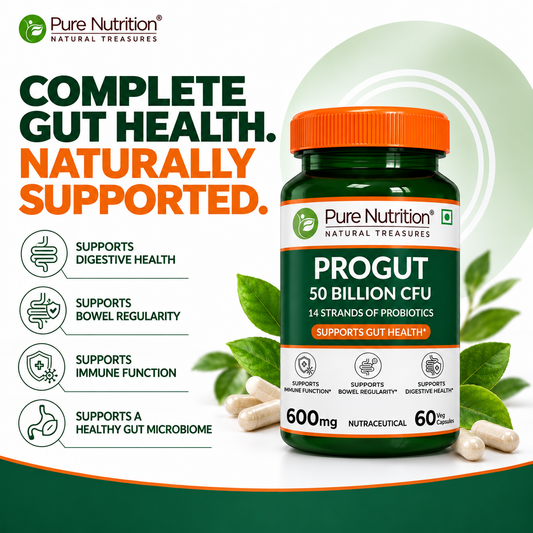
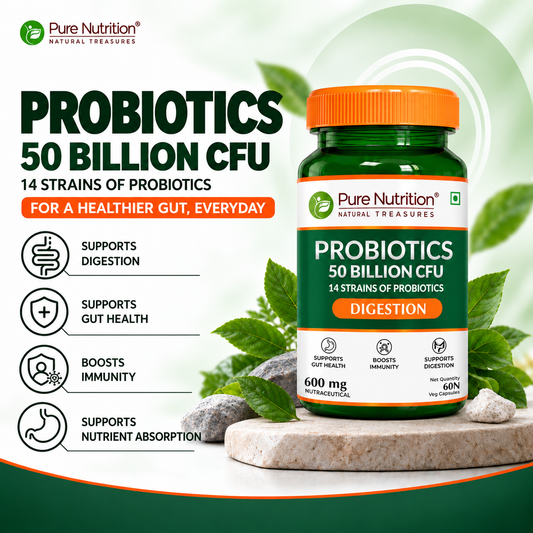
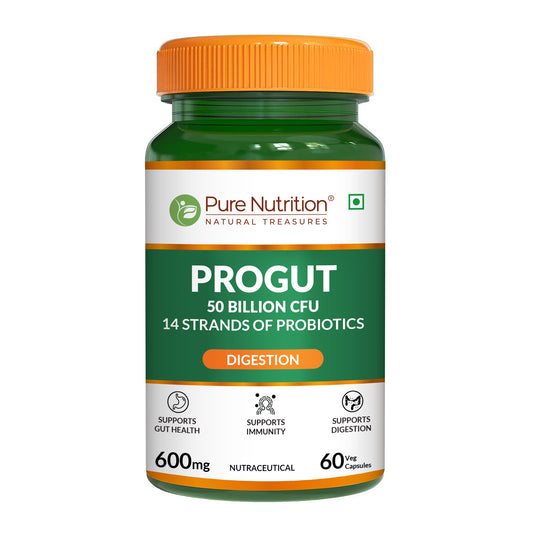
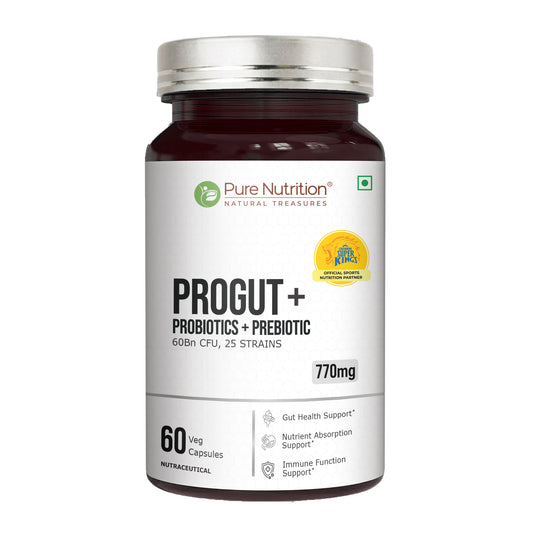
Found in this range: Progut, Probiotic Capsules, and Progut Plus.

Prebiotics and Dietary Fibre

What it is: Dietary fibres such as FOS, GOS, inulin and acacia fibre that are not fully digested in the small intestine.

What it does: Provides different types of dietary fibre, including fermentable fibres that can be used by microorganisms in the gut.

Typically chosen for: Increasing fibre intake, supporting digestive regularity and incorporating prebiotic fibre into the diet.

Found in this range: Prebiotic Fibre+, Inulin Powder, Acacia Powder and Psyllium Husk Powder.

Digestive Enzymes

What it is: Enzymes such as bromelain, papain, amylase, lipase and lactase that are involved in breaking down components of food.

What it does: Provides enzymes involved in the digestion of proteins, carbohydrates, fats and lactose.

Typically chosen for: People looking for digestive support around meals and comparing enzyme-based formulations.

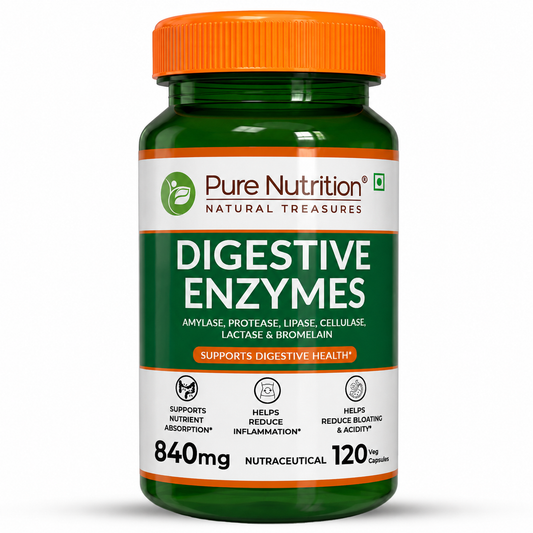
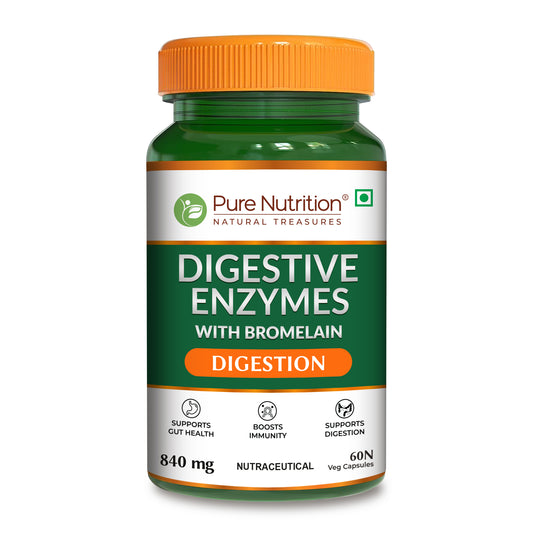
Found in this range: Digestive Enzymes with Bromelain.

What Is a Synbiotic?

A product that combines probiotics with a prebiotic ingredient is known as a synbiotic. The purpose of combining the two is to provide live microorganisms together with a substrate that can be used by microorganisms in the gut.

Pure Nutrition's Probiotics 25 Billion CFU + Prebiotic and Progut Plus are examples of combination formulations in this range.

Explore the Digestion & Gut Health Range

The collection includes different formulations, strengths and ingredient combinations. Product choice should be based on the formulation, ingredients, serving instructions and intended use rather than on a single number such as CFU.

Probiotic Capsules

The range includes probiotic products with different CFU levels and strain combinations, including Progut 50 Billion CFU and 50 Billion CFU, 14-Strain Capsules. A higher CFU or greater strain count does not automatically make one probiotic more suitable than another. Compare the listed strains, CFU, formulation and directions when choosing between products.

Effervescent Probiotic Format

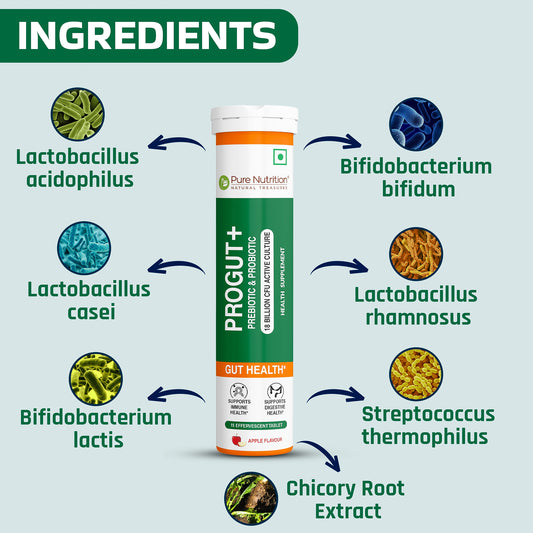
Progut Plus combines 9 probiotic strains with FOS prebiotic, vitamin D3 and zinc in an effervescent tablet. This format may suit people who prefer an effervescent product instead of swallowing a capsule.

Prebiotic Fibre Powders

The collection includes different fibre formulations that are not interchangeable.

Prebiotic Fibre+ combines five fibres: FOS, GOS, inulin, resistant dextrin and guar gum.

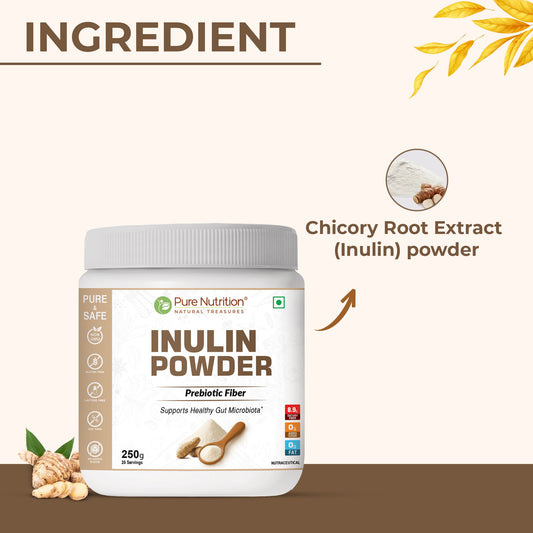
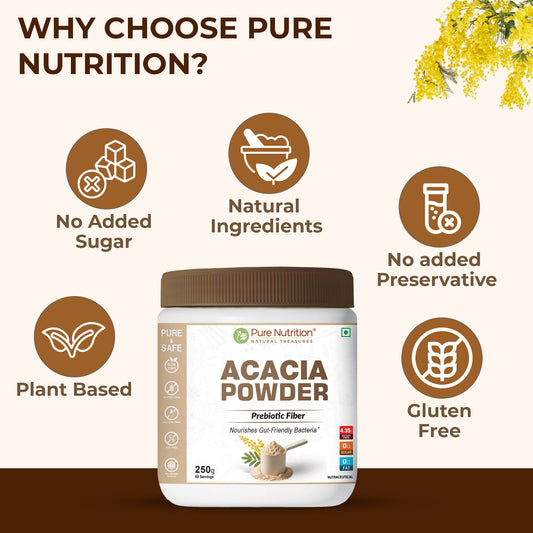
Inulin Powder and Acacia Powder are single-ingredient fibre products derived from chicory root and acacia gum (Gondh), respectively.

Psyllium Husk (Isabgol) Powder is a viscous, bulk-forming fibre and behaves differently from more fermentable fibres such as inulin and FOS. People can respond differently to fibre types, so introducing fibre gradually may help with tolerance.

Digestive Enzyme Formula

Digestive Enzymes with Bromelain combines bromelain, papain, amylase, lactase and lipase with added probiotics. Its formulation differs from standalone probiotic products, so compare the listed ingredients and directions before choosing.

Targeted Digestive Singles

Betaine HCl 650mg is built around stomach acid support.

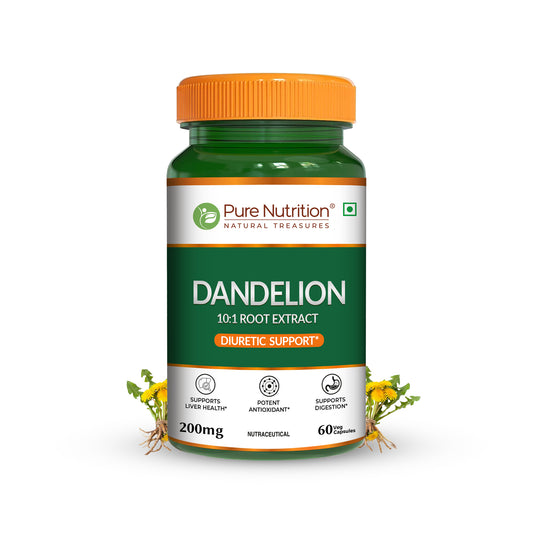
Dandelion Root Extract is a concentrated 10:1 herbal extract and differs from the collection's probiotic, fibre and digestive-enzyme formulations.

Combo Packs

The Probiotics + Digestive Enzymes Combo and Easy Gut Combo, which combines Progut 50 Billion CFU with Psyllium Husk, pair different products for shoppers who want to use complementary formulations together.

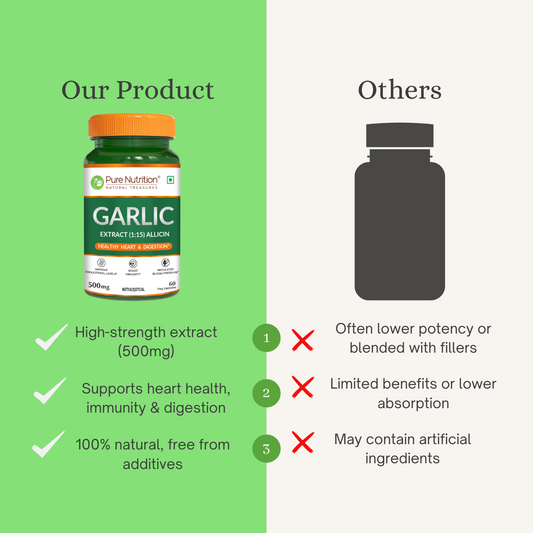
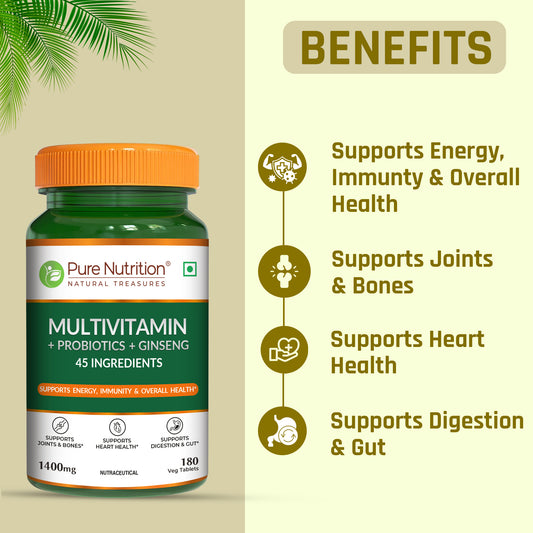
The range also includes a multivitamin formulated with probiotics and ginseng, as well as general-wellness products such as garlic extract and moringa powder. These products are positioned more broadly around everyday wellness rather than specifically around digestion.

How to Compare Gut Health Supplements

Different supplement categories should be compared using different information.

Probiotics

Check:

  • Probiotic strains listed
  • CFU per serving
  • Number and type of strains
  • Serving instructions
  • Storage requirements, where applicable

A higher CFU or greater strain count does not automatically mean that a product is more suitable.

Fibre and Prebiotic Products

Check:

  • Type of fibre
  • Ingredient list
  • Serving size
  • Recommended directions
  • How the product fits into your overall daily fibre intake

When increasing fibre intake, introduce it gradually and consume adequate water according to the product directions.

Digestive Enzymes

Check:

  • Specific enzymes included
  • Amounts listed for each enzyme
  • Serving instructions
  • Other ingredients included in the formulation

Combination Products

Check the individual ingredients and quantities rather than assuming that a combination formula is automatically more suitable than a single-ingredient product.

How to Choose the Right Gut Health Supplement

Start with the type of support you're looking for.

For digestive support around meals: Compare digestive-enzyme products based on the enzymes included, their amounts and the product directions.

For irregular or inconsistent bowel movements: Compare fibre products such as psyllium and other dietary fibres based on their fibre type, serving size and directions.

For supporting the gut microbiome during or after changes such as antibiotic use or travel: Compare probiotic products based on their listed strains, CFU, formulation and directions.

For general daily use: Compare probiotic, prebiotic and synbiotic formulations based on their ingredients and intended use.

Consider CFU and Strain Information Together

CFU indicates the number of viable microorganisms in a serving, while strain information identifies the specific strains included in the formulation. A higher CFU or greater strain count does not automatically make one probiotic more suitable than another.

Choose a Format You Can Use Consistently

Capsules suit a fixed routine, powders allow flexible fibre serving sizes according to product directions, and effervescent tablets offer an alternative format for people who prefer not to swallow capsules.

Introduce Fibre Gradually

Increasing fibre intake suddenly can cause temporary digestive discomfort in some people. Introduce fibre gradually and follow the serving and water-intake instructions provided with the individual product.

Consider Your Individual Circumstances

If you are pregnant or breastfeeding, have a diagnosed medical condition, are immunocompromised or take regular medication, consult a qualified healthcare professional before using supplements.

Who Are These Supplements For?

This range is designed for people looking to include digestive-health products as part of their everyday nutrition and wellness routine. It includes different formulations for different preferences and purposes.

It may be relevant for:

  • People looking to include probiotic products in their routine
  • People looking for dietary fibre or prebiotic fibre products
  • People comparing digestive-enzyme formulations
  • Frequent travellers looking for convenient supplement formats
  • People who prefer capsules, powders or effervescent tablets

The collection includes vegetarian capsule and powder formats. Check the individual product page for product-specific ingredients, formulation and suitability.

These are food supplements intended to complement a balanced diet. Anyone with a diagnosed digestive condition should consult a qualified healthcare professional rather than relying on supplements alone.

Frequently Asked Questions

Q. What is the difference between probiotics and prebiotics?

A. Probiotics are live microorganisms, while prebiotics are substrates that are selectively used by microorganisms in the gut. In simple terms, probiotics provide microorganisms and prebiotics provide a type of nourishment for certain gut microorganisms. Some products combine both in a synbiotic formulation.

Q. How do I know if I need a probiotic, a prebiotic or a digestive enzyme?

A. Consider the type of product and compare its ingredients, formulation and intended use. Probiotic products provide live microorganisms, fibre and prebiotic products provide different types of dietary fibre, and digestive-enzyme products contain specific enzymes involved in breaking down food components. Follow the directions provided for the individual product.

Q. How much CFU should a probiotic supplement have?

A. There is no single CFU count that is appropriate for every probiotic product or every person. CFU indicates the number of viable microorganisms in a serving, but the number alone does not determine whether one product is more suitable than another. Compare CFU alongside the specific strains, formulation, serving instructions and intended use.

Q. What's the difference between Psyllium Husk, Inulin and Acacia Powder?

A. All three are dietary fibres, but they behave differently. Psyllium husk is a viscous, bulk-forming fibre, while inulin and acacia are different types of fibre with prebiotic properties. People can respond differently to fibre types, so introducing fibre gradually can help with tolerance.

Q. When is the best time to take a probiotic?

A. Follow the timing and serving instructions provided for the specific probiotic product, as formulations can differ. For a more detailed discussion, see Pure Nutrition's guide to the best time to take probiotics in India.

Q. Can I take a probiotic and a fibre supplement together?

A. Probiotic and fibre products can be used together, depending on the individual products and their directions. If you are new to fibre supplements, introduce them gradually and consume adequate water according to the product instructions.

Q. Do I need a supplement if I already eat a balanced diet?

A. Not necessarily. A balanced diet can provide dietary fibre and, depending on the foods consumed, live microorganisms. Supplements are intended to complement the diet rather than replace a varied and balanced eating pattern.

whatsapp image