


Collection: Bone & Joint Health Supplements
Shop Pure Nutrition’s bone and joint health supplement range, with combination formulas and focused products featuring calcium, vitamin D3, vitamin K2, magnesium, zinc, phosphorus, boron, glucosamine with MSM and Boswellia serrata. Compare tablets, capsules and oral strips by ingredient, format and routine.
-
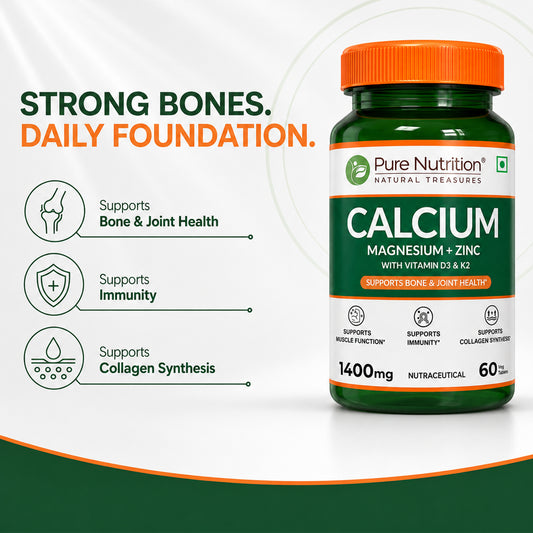
Calcium Magnesium Zinc with Vitamin D...
Support Immunity Energy Boost Improves StaminaSale 38% Off Sold outRegular price Rs. 435Regular priceUnit price perRs. 699Sale price Rs. 435Sale -
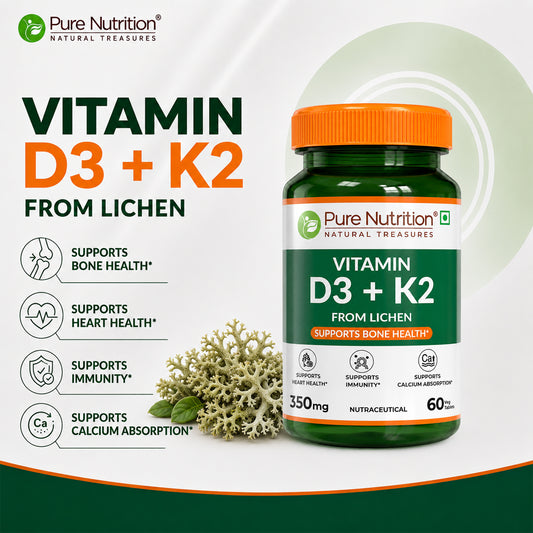
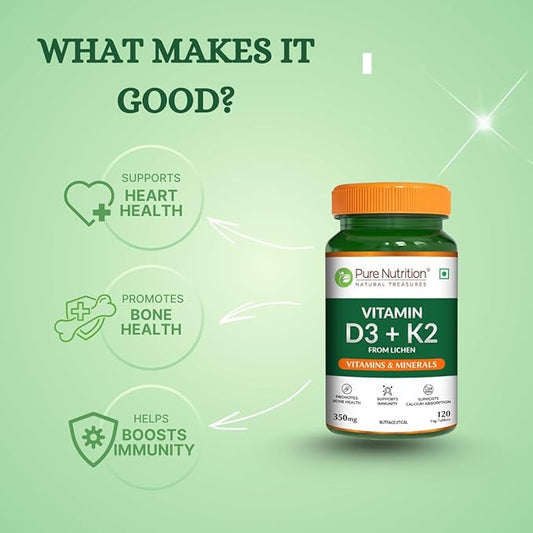
Vitamin D3 + K2 from Lichen Bone, He...
Promotes Bone Health Support Immunity Aids Calcium AbsorptionSale 45% Off Sold outRegular price Rs. 329Regular priceUnit price perRs. 599Sale price Rs. 329Sale -
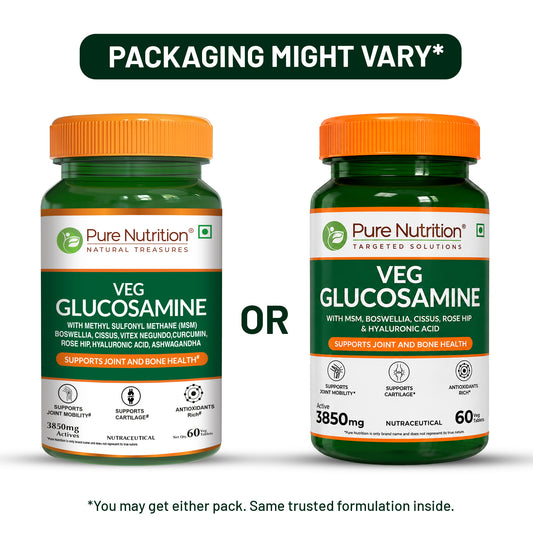
Veg Glucosamine with MSM 60 Tablets |...
Supports Joint Mobility Helps Reduce Inflamation Provide AntioxidantsSale 10% Off Sold outRegular price Rs. 630Regular priceUnit price perRs. 699Sale price Rs. 630Sale -
Boswellia Serrata Extract 450mg | Bon...
supports bone and joint health Skin Health Anti-InflamationSale 18% Off Sold outRegular price Rs. 659Regular priceUnit price perRs. 799Sale price Rs. 659Sale -
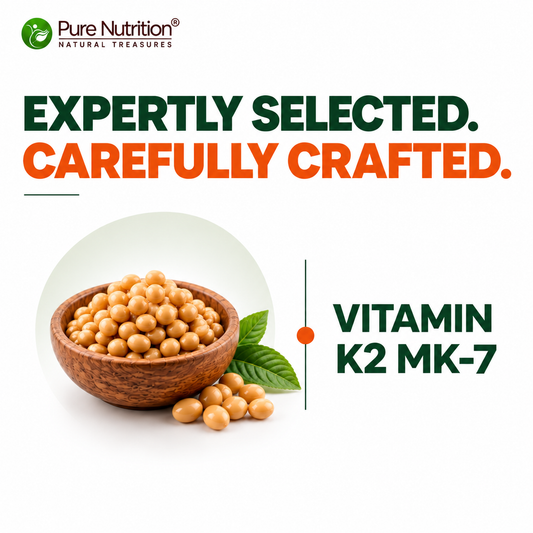
Vitamin K2 MK-7 with Vitamin D3 Bone...
Supports Bone Health Support Brain Health Muscle HealthSale 52% Off Sold outRegular price Rs. 387Regular priceUnit price perRs. 799Sale price Rs. 387Sale -
Vitamin D3 + K2 from Lichen - 120 Tab...
Promotes Bone Health Support Immunity Aids Calcium AbsorptionSale 25% Off Sold outRegular price Rs. 599Regular priceUnit price perRs. 799Sale price Rs. 599Sale -
ZMA 120 Veg Tablets | Zinc, Magnesium...
Aids Muscle function Boosts Immunity Bone & Joint HealthSale 21% Off Sold outRegular price Rs. 709Regular priceUnit price perRs. 899Sale price Rs. 709Sale -
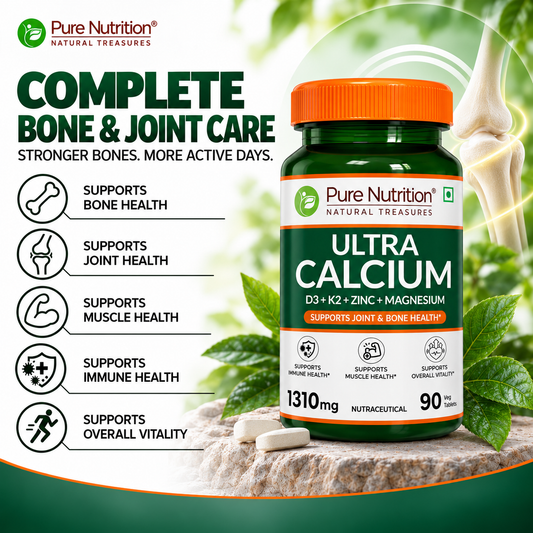
Ultra Calcium with D3, K2, Zinc & Mag...
Boost Immunity Muscle HealthSale 20% Off Sold outRegular price Rs. 559Regular priceUnit price perRs. 699Sale price Rs. 559Sale -
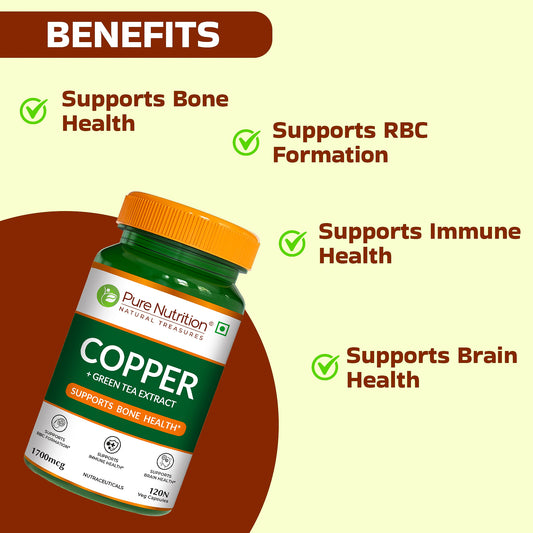
Copper Gluconate Capsules 120 Count ...
Bone & Joint Health Immunity Booster & Antioxidant Support Brain HealthSale 7% Off Sold outRegular price Rs. 649Regular priceUnit price perRs. 699Sale price Rs. 649Sale -
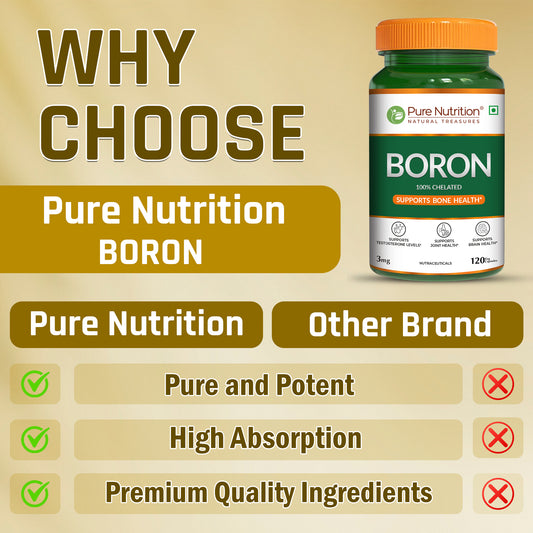
Boron 3mg Chelated Supplement Bone H...
supports bone and joint health Support Brain HealthSale 20% Off Sold outRegular price Rs. 559Regular priceUnit price perRs. 699Sale price Rs. 559Sale -
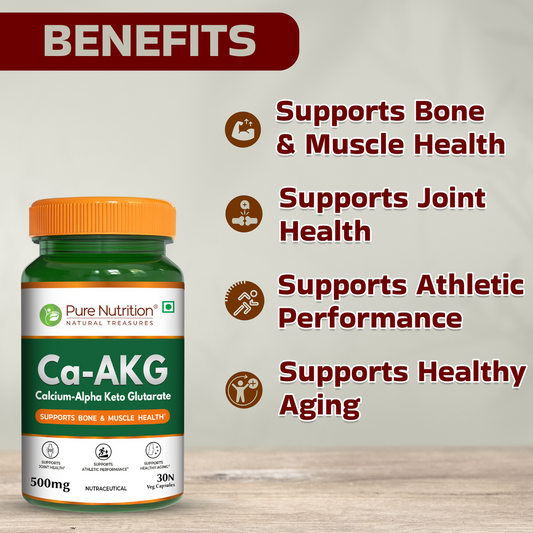
Ca-AKG Calcium Alpha-Ketoglutarate 5...
Promotes Bone Health Enhance Performance & EnduranceSale 13% Off Sold outRegular price Rs. 1,049Regular priceUnit price perRs. 1,199Sale price Rs. 1,049Sale -
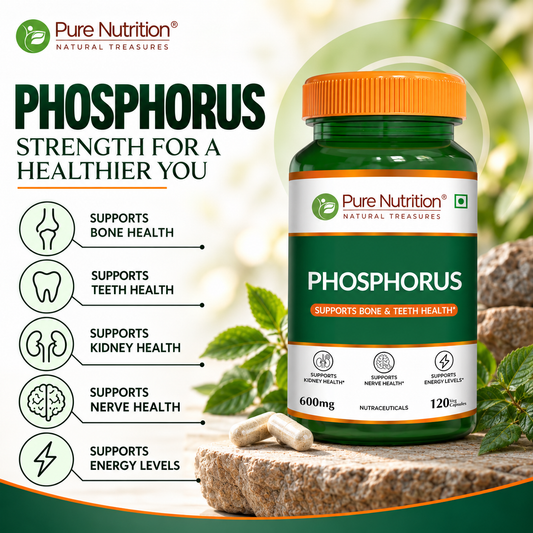
Phosphorus 600mg Veg Capsules Bone, ...
Promotes Bone Health Supports Kidney FunctionSale 25% Off Sold outRegular price Rs. 599Regular priceUnit price perRs. 799Sale price Rs. 599Sale -
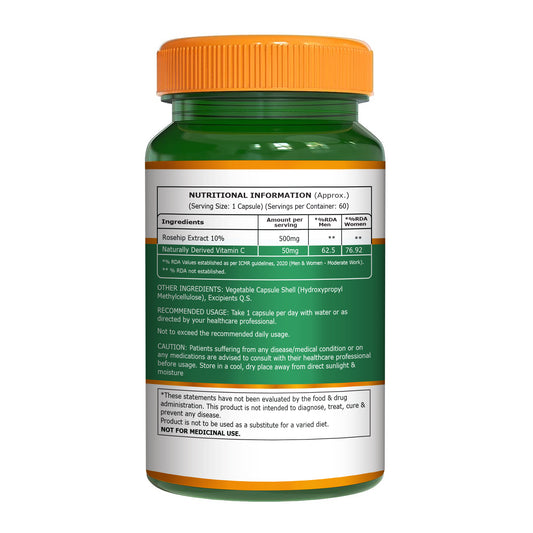
Rosehip Extract 500mg Natural Vitami...
Sale 19% Off Sold outRegular price Rs. 484Regular priceUnit price perRs. 599Sale price Rs. 484Sale -
Pure Nutrition ZMA Zinc, Magnesium &...
Aids Muscle function Boosts Immunity Bone & Joint HealthSale 33% Off Sold outRegular price Rs. 436Regular priceUnit price perRs. 649Sale price Rs. 436Sale -
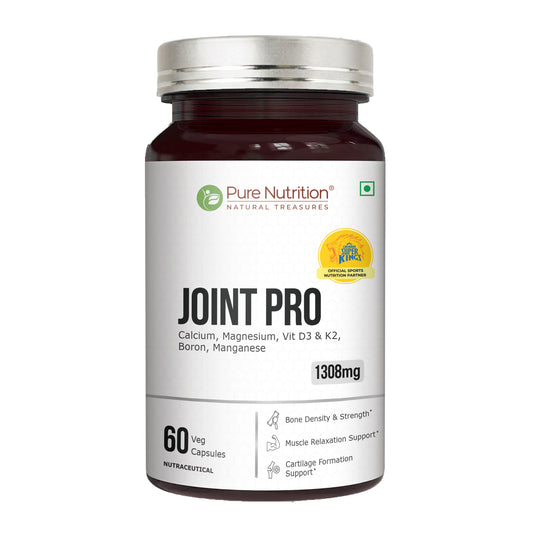
Joint Pro Calcium, Magnesium, Vitamin...
Sale 22% Off Sold outRegular price Rs. 775Regular priceUnit price perRs. 999Sale price Rs. 775Sale -
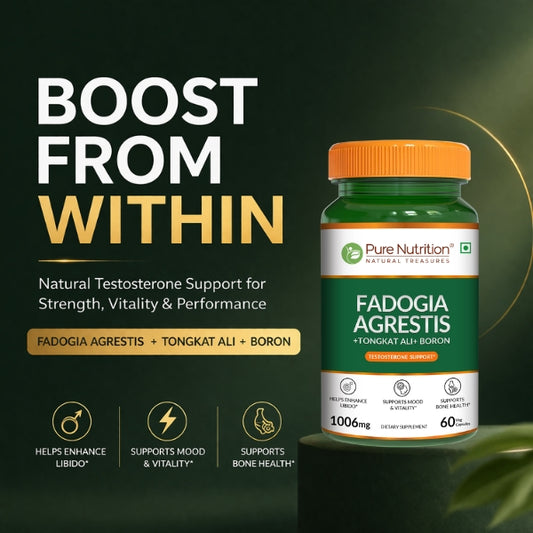
Fadogia Agrestis + Tongkat Ali + Boro...
Sale 19% Off Sold outRegular price Rs. 809Regular priceUnit price perRs. 999Sale price Rs. 809Sale



















Find Your Perfect Supplement Stack
Answer a few quick questions and discover supplements matched to your wellness goals.
Find My Stack → ✓ Personalized recommendations · 2-minute quizFAQ's
In this collection, bone and joint health supplements are dietary products organised around bone-focused nutrients and joint-focused ingredients. The range includes calcium, vitamin D3, vitamin K2, magnesium, zinc, phosphorus, boron, glucosamine with MSM and Boswellia serrata products.
Bone-focused products in this collection are mainly built around calcium, vitamin D3, vitamin K2, magnesium, zinc, phosphorus or boron. Joint-focused products include glucosamine with MSM and Boswellia serrata. Some combination products overlap, so compare the full ingredient list.
The products specifically positioned with calcium, vitamin D3 and vitamin K2 include Calcium Magnesium Zinc with Vitamin D3 & K2, Ultra Calcium and Joint Pro. Check each product page for the complete ingredient amounts and serving information.
Both product types combine vitamin D3 with vitamin K2. The lichen products identify their D3 source and are available as separate 60- and 120-tablet products. The Vitamin K2 MK-7 product specifically identifies MK-7 in its product name. Compare the individual labels for amounts and directions.
Veg Glucosamine with MSM and Boswellia Serrata Extract are the clearest joint-focused options in this collection. Compare their ingredient lists, formats and product directions rather than assuming that every calcium or mineral formula serves the same purpose.
No. Several products are specifically labelled vegetarian or plant-based, including Veg Glucosamine with MSM, the lichen D3/K2 products and Phosphorus Veg Capsules. Dietary positioning varies by product, so check the individual product page before ordering.
The collection includes tablets, capsules and oral strips. The Calcium Magnesium Zinc formula has 60- and 120-tablet options, while Veg Glucosamine with MSM has pack-size variants. Vitamin D3 + K2 from Lichen is offered as separate 60- and 120-tablet products.
Do not combine products simply because they appear in the same collection. Several formulas contain overlapping nutrients, including calcium, vitamin D3, vitamin K2, magnesium, zinc or boron. Check the labels and ask a doctor or pharmacist before combining supplements, especially when taking medication.
Check the active ingredients, amount per serving, serving instructions, product format, dietary labelling, pack size and any warnings. If you are choosing a high-strength product or managing a medical condition, seek professional advice before use.

