


Collection: Stress & Sleep Supplements for Relaxation and Better Sleep
Explore Pure Nutrition's collection of stress and sleep supplements featuring options formulated around ingredients such as magnesium, L-theanine, melatonin and other sleep- and relaxation-focused ingredients. Browse the collection to find products suited to different approaches to stress management, relaxation and better sleep.
-
Magnesium Glycinate with Zinc 350mg S...
Good Sleep Bone & Joint Health Nerve HealthSale 46% Off Sold outRegular price Rs. 406Regular priceUnit price perRs. 749Sale price Rs. 406Sale -
L-Theanine Capsules 200mg – Calm Focu...
Support Brain Health Stress Relief Good SleepSale 36% Off Sold outRegular price Rs. 509Regular priceUnit price perRs. 799Sale price Rs. 509Sale -
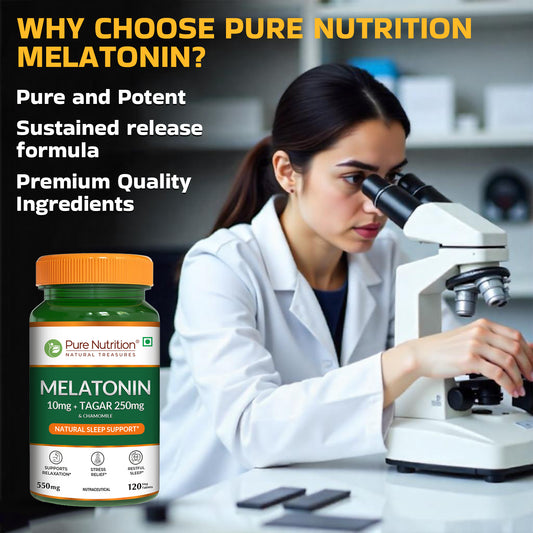
Melatonin with Tagar, Chamomile & L-T...
Good Sleep Regulates High Blood Pressure Stress ReliefSale 45% Off Sold outRegular price Rs. 387Regular priceUnit price perRs. 699Sale price Rs. 387Sale -
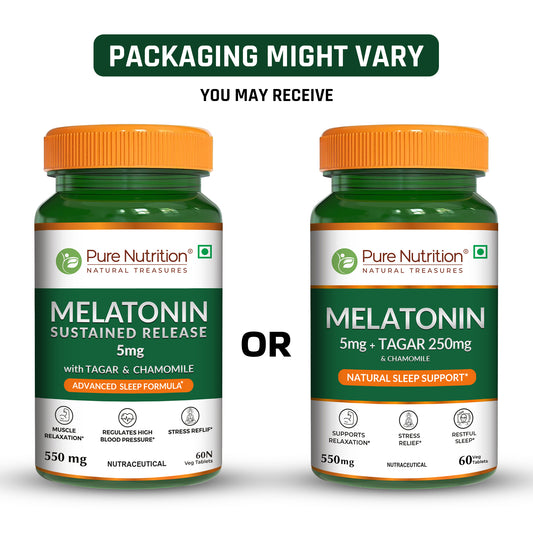
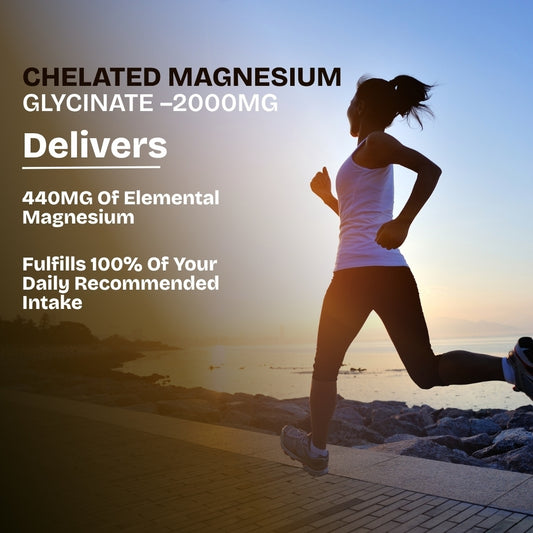
Chelated Magnesium Glycinate 2000mg S...
Good Sleep Bone & Joint Health Nerve HealthSale 44% Off Sold outRegular price Rs. 610Regular priceUnit price perRs. 1,099Sale price Rs. 610Sale -
Chelated Magnesium Complex | Glycinat...
Good Sleep Bone & Joint Health Stress ReliefSale 42% Off Sold outRegular price Rs. 581Regular priceUnit price perRs. 999Sale price Rs. 581Sale -
Magnesium Glycinate 350mg with Zinc C...
Good Sleep Bone & Joint Health Nerve HealthSale 40% Off Sold outRegular price Rs. 659Regular priceUnit price perRs. 1,099Sale price Rs. 659Sale -
Melatonin 10mg Tablets Sleep Cycle S...
Good Sleep Regulates High Blood Pressure Stress ReliefSale 22% Off Sold outRegular price Rs. 620Regular priceUnit price perRs. 799Sale price Rs. 620Sale -
Organic Ashwagandha Tablets 120 Count...
Helps Boosts Energy Helps Enhance Stamina Helps Improve MemorySale 24% Off Sold outRegular price Rs. 533Regular priceUnit price perRs. 699Sale price Rs. 533Sale -
Organic Ashwagandha 180 Tablets | Str...
Helps Boosts Energy Helps enhance stamina Good SleepSale 43% Off Sold outRegular price Rs. 569Regular priceUnit price perRs. 999Sale price Rs. 569Sale -
Rhodiola Rosea Root Extract – 500mg |...
Reduce Stress and Anxiety Promotes cognitive healthSale 27% Off Sold outRegular price Rs. 659Regular priceUnit price perRs. 899Sale price Rs. 659Sale -

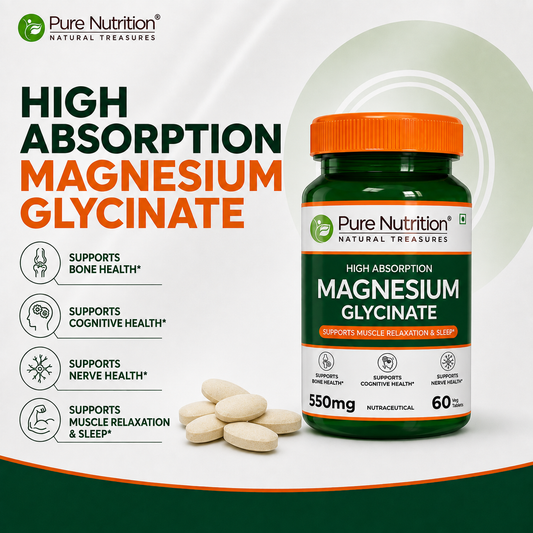
Magnesium Glycinate 550mg – High Abso...
Sale 27% Off Sold outRegular price Rs. 509Regular priceUnit price perRs. 699Sale price Rs. 509Sale -
Chelated Magnesium Glycinate | Suppor...
Good Sleep Bone & Joint Health Nerve HealthSale 37% Off Sold outRegular price Rs. 409Regular priceUnit price perRs. 649Sale price Rs. 409Sale -
KSM-66 Ashwagandha 500mg Standardize...
Sale 22% Off Sold outRegular price Rs. 699Regular priceUnit price perRs. 899Sale price Rs. 699Sale -
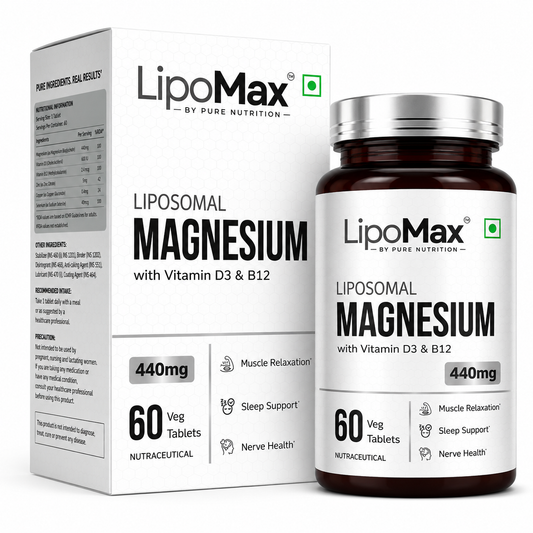
LipoMax Liposomal Magnesium 440mg wit...
Sale 21% Off Sold outRegular price Rs. 789Regular priceUnit price perRs. 999Sale price Rs. 789Sale -
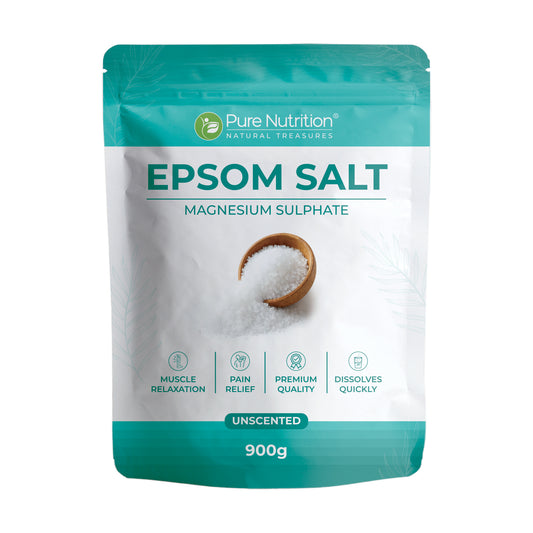
Epsom Salt 100% Magnesium Sulphate | ...
Sale 8% Off Sold outRegular price Rs. 229Regular priceUnit price perRs. 249Sale price Rs. 229Sale -
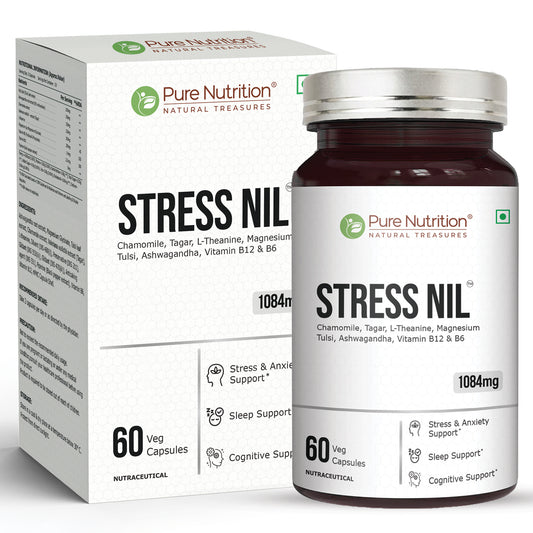
Stress Nil Herbal Relaxation & Sleep ...
Sale 19% Off Sold outRegular price Rs. 729Regular priceUnit price perRs. 899Sale price Rs. 729Sale
















Find Your Perfect Supplement Stack
Answer a few quick questions and discover supplements matched to your wellness goals.
Find My Stack → ✓ Personalized recommendations · 2-minute quizFAQ's
Stress and sleep supplements are products formulated with ingredients commonly included in routines focused on relaxation, stress management and sleep support. Pure Nutrition's collection includes different formulations designed around ingredients such as magnesium, L-theanine, melatonin and Ashwagandha.
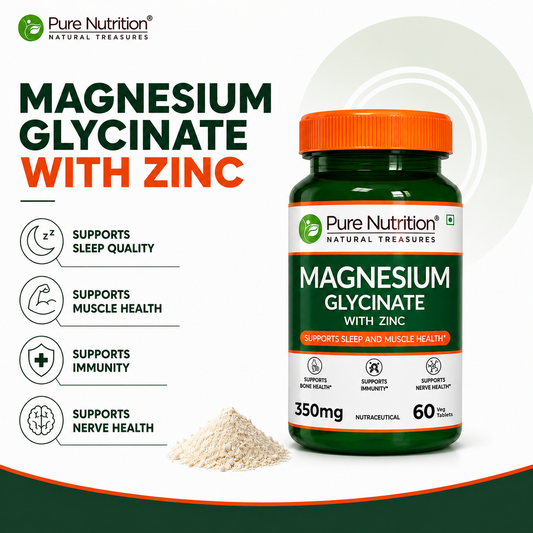
The collection includes different options for sleep-focused routines. One option is Melatonin Tagar Chamomile, while other products use different ingredients and formulations. Compare the individual product information to find an option that matches your preferences.
Magnesium glycinate supplements contain magnesium in the glycinate form. Pure Nutrition's Magnesium Glycinate with Zinc is an option for shoppers specifically looking for this type of formulation. Check the product page for its complete ingredient and usage information.
L-theanine is an ingredient commonly found in supplements used as part of relaxation and stress-management routines. Shoppers specifically looking for an L-theanine product can explore L-Theanine Capsules 200mg and review its product-specific information.
Ashwagandha is an ingredient featured in different supplement formulations. Pure Nutrition offers KSM-66 Ashwagandha 500mg as one option within the collection. Compare its formulation and product information with other available options.
Stress management supplements can differ in their ingredients and formulations. For example, the collection includes options based on L-theanine, magnesium and Ashwagandha, allowing shoppers to compare products according to their preferred ingredients and product specifications.
Start by identifying whether your primary shopping goal is relaxation, stress management or sleep support. Then compare the ingredients, formulation, serving information and directions for use of the products available in the collection.
Before buying a sleep supplement, review its ingredient list, formulation, serving information and directions for use. Different products can contain different combinations of ingredients, so product-specific information is important when comparing options.
Yes. Ashwagandha products can differ in their formulations. Another option available from Pure Nutrition is Organic Ashwagandha. Review the individual product pages to compare the available formulations.

