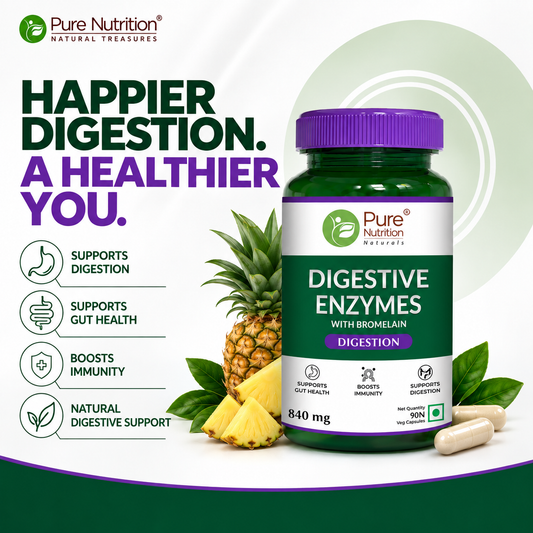
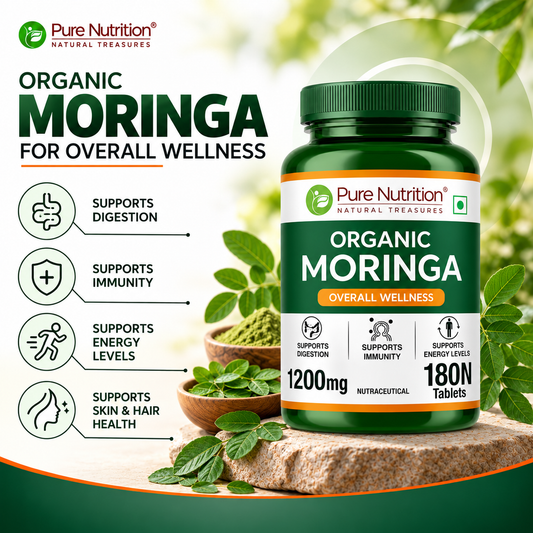
Immunity and overall wellness supplements including zinc, vitamin C, curcumin and quercetin

Immunity Supplements for Everyday Wellness

Immunity supplements are vitamins, minerals, and plant-based extracts taken daily to support the body's natural immune function and cover gaps a regular diet may not fill. This collection groups its products into core immune nutrients (vitamin C, zinc, multivitamins), antioxidant and herbal extracts (curcumin, quercetin, echinacea, moringa), and format choices tablets, effervescent drinks, and liposomal capsules for an easier daily habit or higher absorption. Not every product here works the same way, so the right pick depends on your diet, your goals, and the format you'll actually stick with.

What Are Immunity Supplements?

Immunity supplements are dietary products used to support the immune system's everyday function, not to treat or cure illness. A genuine shortfall in nutrients such as vitamin C, zinc, or B-vitamins can leave the immune system working below its best, so correcting a real gap is generally more useful than adding more of a nutrient you already get enough of. Herbal extracts like curcumin, echinacea, and moringa are used traditionally alongside these nutrients for antioxidant and general wellness support, though the evidence behind their immune effects is generally less established than for core vitamins and minerals. Many people in India turn to this category around seasonal changes or after an illness, when nutrient needs run higher than usual.

What's Inside the Immunity & Overall Wellness Collection?

This range is grouped into three practical categories rather than one uniform formula.

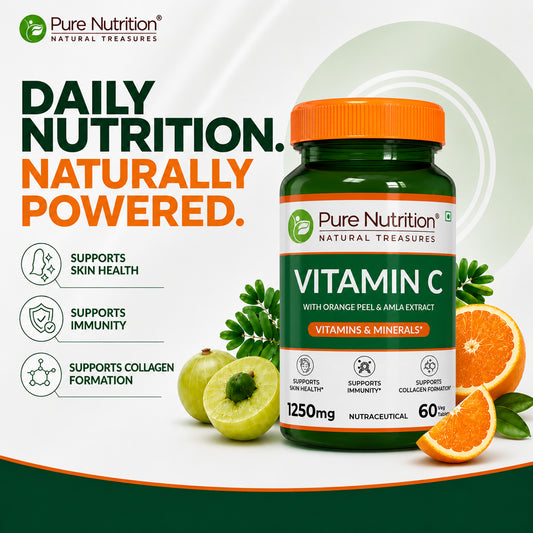
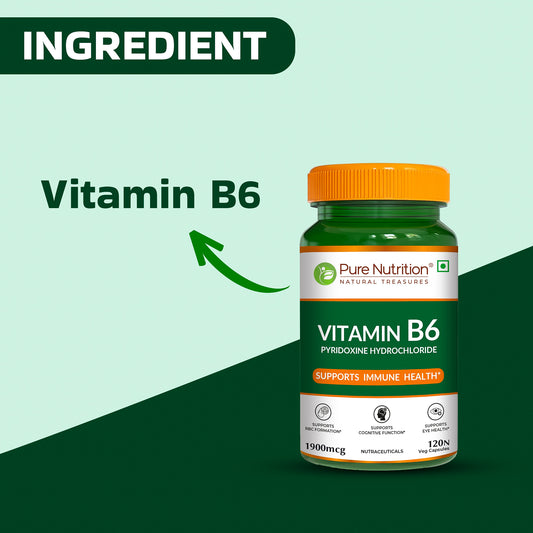
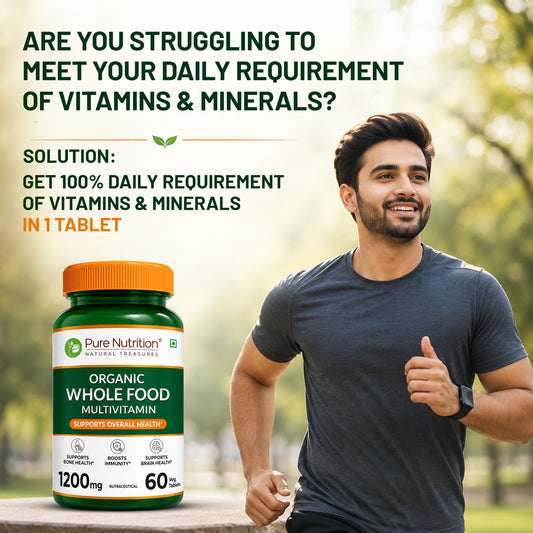
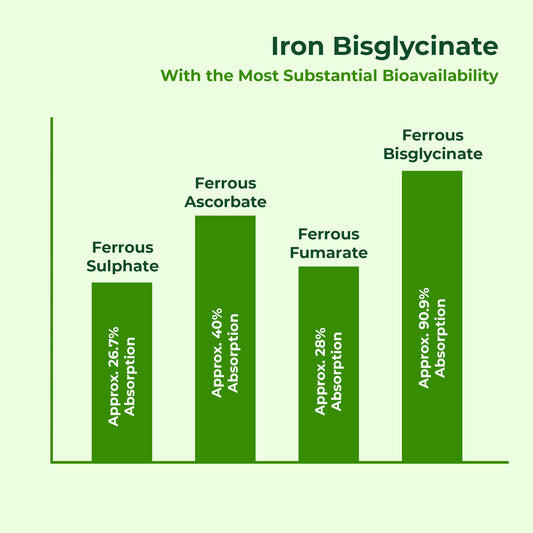
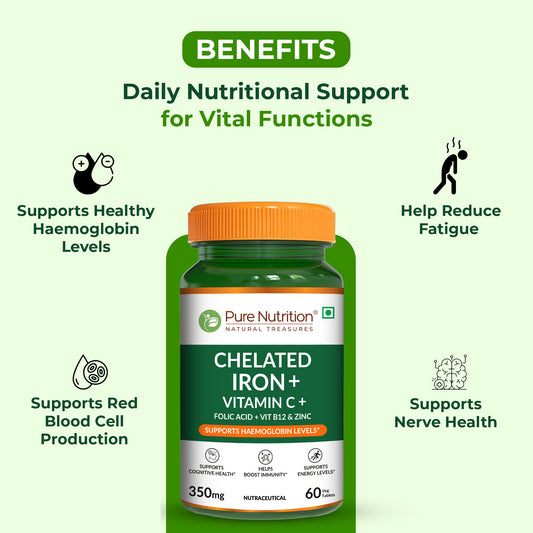
Core immune nutrients include Vitamin C with Amla & Orange Peel and vitamin C–zinc combinations in tablet and effervescent formats, four separate zinc salts, the Organic Whole Food Multivitamin (built on moringa leaf, acerola cherry, spinach, blueberry, carrot, and pomegranate extracts), vitamin B6, and iron with folic acid for haemoglobin support.

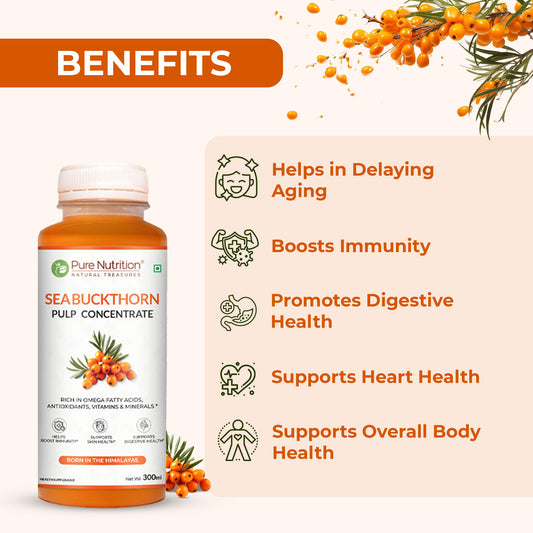
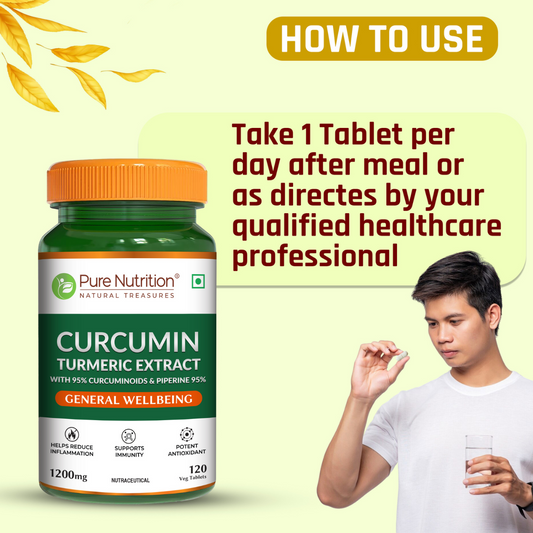
Antioxidant and herbal extracts include Curcumin Turmeric Extract (95% curcuminoids with piperine, used mainly for joint and antioxidant support, with immunity as a secondary benefit), Echinacea Extract Capsules, Quercetin (a bioflavonoid for immune and allergy-season support), Moringa Tablets, Papaya Leaf & Fruit Extract (traditionally used for platelet count and stamina), and Sea Buckthorn Pulp Concentrate in a liquid, omega-rich format. Astaxanthin also sits here, though its own formulation targets eye, skin, and muscle-recovery support rather than a direct immunity claim a reminder that not every antioxidant in this range works on immunity the same way.

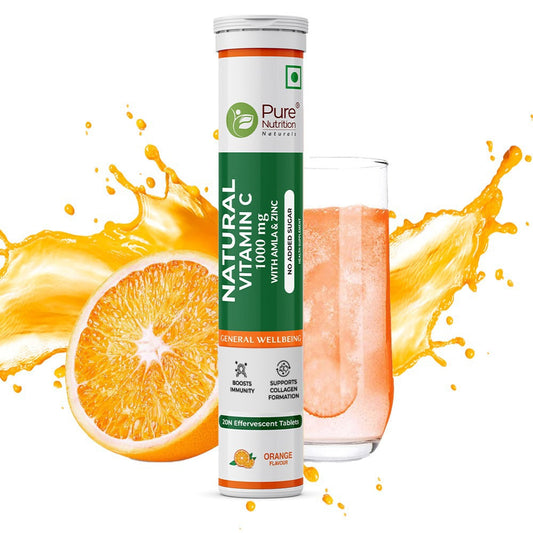
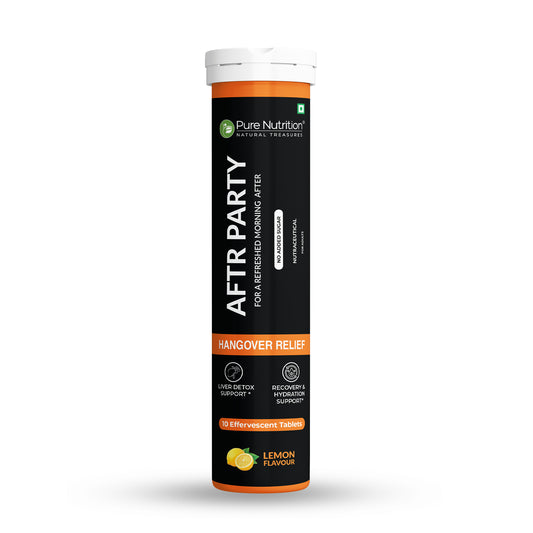
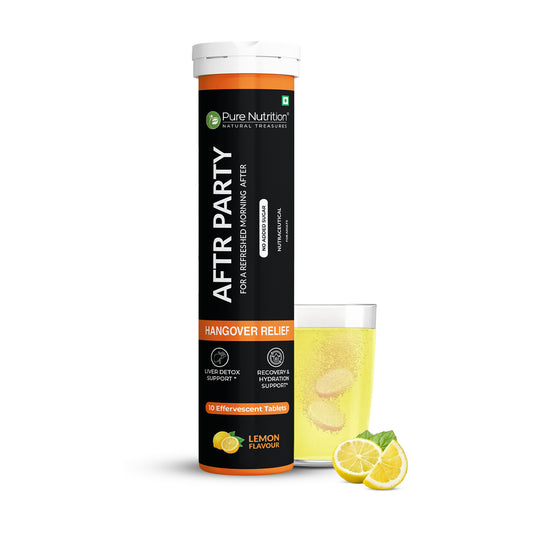
A smaller group digestive support and an occasional-use liver formula covers the "overall wellness" side of this collection rather than immunity itself. On format, Liposomal Vitamin C and Liposomal Curcumin use a lipid-based delivery system designed for absorption, while effervescent vitamin C-zinc and greens tablets suit anyone who prefers a drink to a pill.

Vitamin C vs Zinc: Two Core Immunity Nutrients Compared

Vitamin C and zinc are the two most searched-for immunity nutrients, and they support the immune system through different pathways rather than one replacing the other. Vitamin C is a water-soluble antioxidant that supports immune cell function, collagen formation, and iron absorption, while zinc is a trace mineral needed for immune cell development, wound healing, and protein synthesis. Because the two work differently, it's common to take both either separately or in a combined formula.

Vitamin C

Type of nutrient: Water-soluble vitamin with antioxidant properties

Main roles: Supports normal immune function, collagen formation, antioxidant protection, and iron absorption.

Vitamin C forms available in this collection: Amla and orange peel tablets, effervescent vitamin C, vitamin C-zinc combinations, and liposomal vitamin C.

Often chosen when: Dietary intake of vitamin C-rich foods such as fruits and vegetables may be insufficient.

Zinc

Type of nutrient: Essential trace mineral

Main roles: Supports normal immune function, wound healing, protein synthesis, and normal cellular processes.

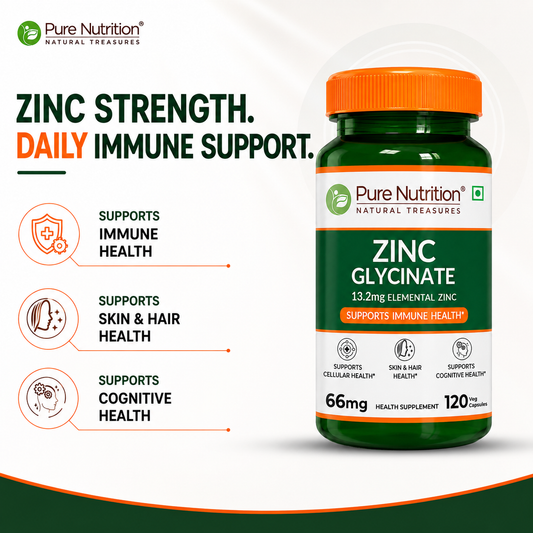
Zinc forms available in this collection: Zinc citrate, zinc gluconate, zinc glycinate, and zinc methionine.

Often chosen when: Dietary intake of zinc-rich foods such as meat, seafood, legumes, and nuts may be insufficient.

Vitamin C vs Zinc: Which One Should You Choose?

Vitamin C and zinc are not substitutes for each other. They provide different nutrients and have different physiological roles. The right choice depends on your dietary intake, nutritional requirements, and the formulation you prefer.

For anyone considering combining supplements, check the total daily intake from all products to avoid unnecessarily high doses. If you have a medical condition, take medication, or have specific nutritional concerns, consult a qualified healthcare professional before starting supplementation.

Comparing the Zinc Forms in This Collection

The four zinc salts in this range differ mainly in absorption and gut tolerance, not in what zinc itself does in the body. Zinc Citrate is well-absorbed and generally gentle on the stomach, making it a straightforward everyday choice. Zinc Gluconate has comparable absorption with a milder taste, common in lower-dose formats. Zinc Glycinate is bound to the amino acid glycine — a chelated form often chosen for high absorption and easy digestion. Zinc Methionine is bound to methionine and is positioned here for skin and heart support alongside immunity. For anyone who also wants magnesium and B6 in the mix, ZMA combines all three, aimed mainly at muscle function and bone and joint health, with immune support as an added benefit.

How to Choose the Right Immunity Supplement

The right choice depends on what's missing from your diet and how you prefer to take a supplement, not on finding the single "strongest" product. Start with the likely gap: irregular fruit and vegetable intake points toward vitamin C, a mostly plant-based diet or low intake of meat and legumes points toward zinc, and an inconsistent diet overall is often better addressed with the Organic Whole Food Multivitamin than several single-nutrient products.

  • Match the nutrient to the gap vitamin C, zinc, B6, or a multivitamin for a genuine shortfall; herbal antioxidants like curcumin or echinacea as an addition to core nutrients, not a replacement.
  • Pick a format you'll actually use standard tablets or capsules for simplicity, effervescent tablets for a flavoured drink, or liposomal capsules if absorption matters more to you than cost.
  • Check the label before combining products several items here already pair vitamin C with zinc, so see what you're already taking before adding a second single-nutrient supplement.
  • Consider a specific concern stamina and platelet support from papaya leaf extract, joint and antioxidant support from curcumin, or haemoglobin support from iron with folic acid.

If you're unsure whether a nutrient gap is the real issue, the Vitamin Deficiency collection is a useful place to cross-check symptoms against specific nutrients.

Frequently Asked Questions

Q. What is the best immunity supplement to take?

A. There's no single best option it depends on your diet and goals. If you rarely eat citrus fruit or vegetables, vitamin C is a sensible starting point; if your diet is low in zinc-rich foods or largely plant-based, zinc fits better; and if you want broad daily coverage instead of several single-nutrient products, a multivitamin is usually more practical.

Q. Can I take vitamin C and zinc supplements together?

A. Yes, vitamin C and zinc are commonly taken together, and several products in this collection already combine them in one tablet or effervescent dose. The two nutrients support different aspects of immune function, so pairing them is a common approach just check the label so you don't double up if you're already using a combined formula.

Q. Which zinc form should I choose citrate, gluconate, glycinate, or methionine?

A. Any of the four zinc forms here can support daily zinc intake, since they mainly differ in absorption and gut comfort rather than in what zinc does in the body. Citrate and gluconate are well-absorbed, everyday options; glycinate is amino-acid bound and often chosen for gentleness; methionine pairs zinc with an amino acid tied to skin and heart support.

Q. What's the difference between vitamin-based and herbal immunity supplements?

A. Vitamin-based options like vitamin C, zinc, and B6 have a well-defined, direct role in immune cell function, which makes them useful when your diet is genuinely short on them. Herbal ingredients such as curcumin, echinacea, and moringa are used traditionally for antioxidant and general wellness support, but the research behind their immune effects is generally less conclusive than for core vitamins and minerals.

Q. Do immunity supplements prevent colds, flu, or infections?

A. No supplement can guarantee you won't fall ill. Getting enough vitamin C, zinc, and related nutrients supports the immune system's everyday function, and correcting a genuine shortfall may help it work as it should but supplements work alongside sleep, diet, and hygiene, not instead of them, and they don't replace medical care once you're unwell.

Q. Can Papaya Leaf Extract help with low platelet count?

A. Papaya Leaf & Fruit Extract is included in this range for its traditional use in supporting platelet count and stamina, which is why it's popular in India during viral fever and seasonal illness recovery. It isn't a medical treatment, so anyone with a diagnosed illness or a confirmed low platelet count should follow their doctor's advice rather than rely on a supplement alone.

Q. Is it safe to take immunity and wellness supplements every day?

A. Most products in this range are formulated for daily use as directed on the label, typically one tablet or capsule after a meal. That said, anyone who is pregnant, breastfeeding, under 18, managing a health condition, or on regular medication should check with a doctor before starting, since needs and interactions vary from person to person.

whatsapp image