Vitamins and Minerals Supplements for Everyday Health
Pure Nutrition's vitamins and minerals supplements are single-nutrient and combination formulas including plant-based vitamin D3 + K2 sourced from lichen, methylcobalamin B12, chelated magnesium glycinate, and high-absorption zinc made in vegetarian-friendly tablets and capsules for India. Each product targets one specific need, such as bone strength, energy, immunity, sleep, or healthy iron levels, so you supplement only what your body actually requires. This collection covers essential vitamins (A, B-complex, C, D3, K2) and key minerals (magnesium, calcium, zinc, iron, selenium, iodine, boron, and more) in absorbable forms. Whether you follow a vegetarian diet, get limited sun exposure, or want to fill a specific nutritional gap, you can browse by health goal below and compare forms before you buy.
What Are Vitamin and Mineral Supplements?
Vitamin and mineral supplements provide essential micronutrients in measured doses when your daily diet does not supply enough of them. Vitamins are organic compounds some fat-soluble (A, D, E, K) and some water-soluble (B-complex, C) while minerals such as magnesium, zinc, iron, and calcium are inorganic elements your body cannot produce on its own. Because the body needs each of these in different amounts and absorbs each form differently, targeted supplementation works best when it matches a specific, identified need.
Why Choose Single-Nutrient Supplements Instead of a Multivitamin?
Single-nutrient supplements let you correct one specific gap at a meaningful dose, without doubling up on nutrients you already get from food. A multivitamin spreads small amounts across many nutrients; a targeted supplement like chelated magnesium glycinate or iron with folic acid concentrates on the one your body is short of.
The form of a nutrient also matters for absorption. Pure Nutrition uses forms chosen for bioavailability: methylcobalamin (the active form of B12), ferrous bisglycinate (a gentler chelated iron), magnesium glycinate and citrate, zinc citrate and zinc methionine, and vitamin K2 as MK-7. Chelated minerals minerals bound to amino acids such as glycine are generally easier on the stomach than basic oxide or sulfate forms, which is why several minerals in this collection come as glycinates.
What Is in the Pure Nutrition Vitamins and Minerals Collection?
This collection contains 40 targeted supplements, organised here by the health goal shoppers most often search for.
Bone and Joint Support
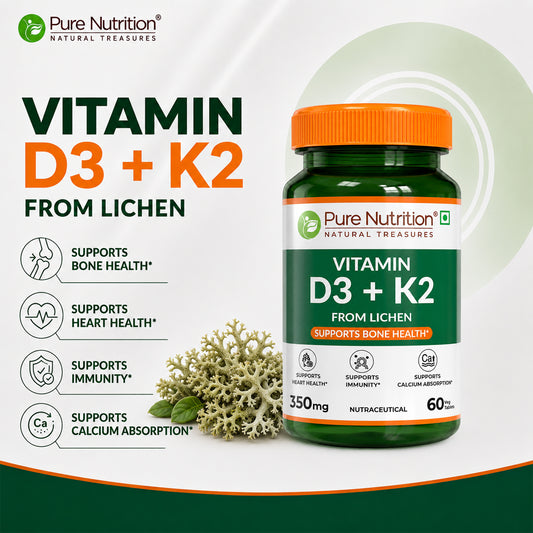
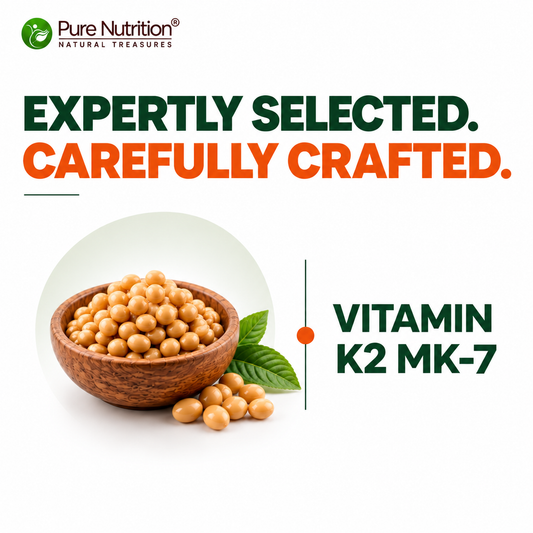
Vitamin D3 + K2 from lichen is a plant-based tablet that pairs vitamin D3 (which aids calcium absorption) with K2 as MK-7 (which supports calcium being used in bones). Vitamin K2 MK-7 with D3 offers 55 mcg of K2 per serving, Ultra Calcium combines calcium with D3, K2, zinc, and magnesium in one capsule, and chelated boron (3 mg and 6 mg glycinate options) and Ca-AKG (calcium alpha-ketoglutarate 500 mg) round out the bone-support range.
Energy, Blood, and Nerve Health
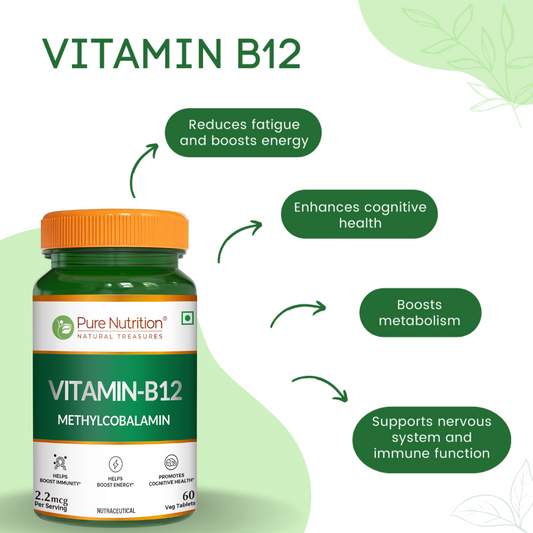
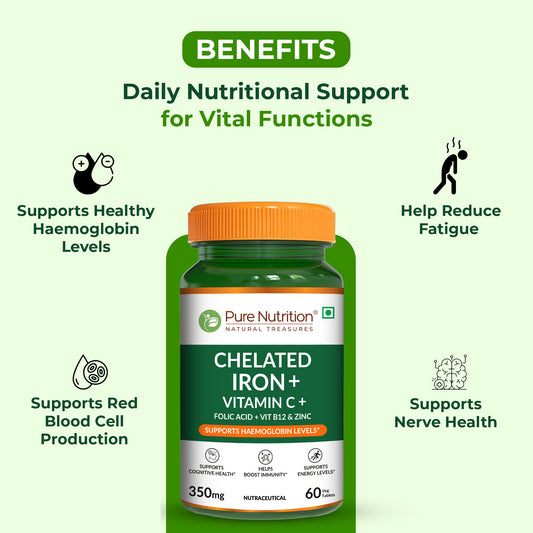
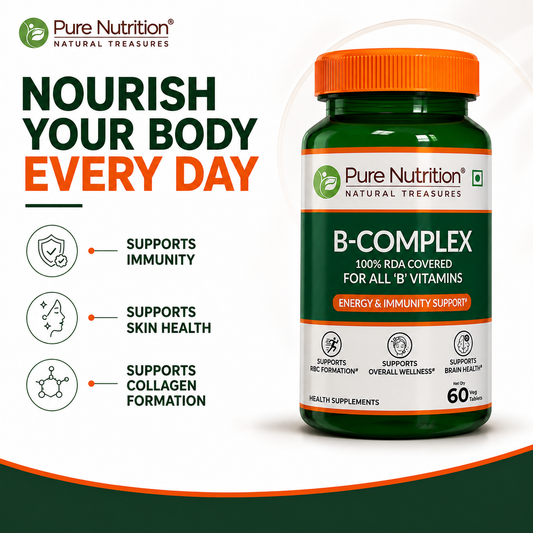
Vitamin B12 as methylcobalamin supports energy metabolism and cognitive health in a form the body can use directly a practical choice for vegetarians, since B12 occurs mainly in animal foods. The B Complex covers all eight B vitamins, and single B vitamins (B1 thiamine, B3 niacin, B6 pyridoxine) are available for targeted use. Iron with Folic Acid uses ferrous bisglycinate with vitamin C, B12, and zinc to support haemoglobin production and help maintain healthy iron levels.
Immunity and Skin
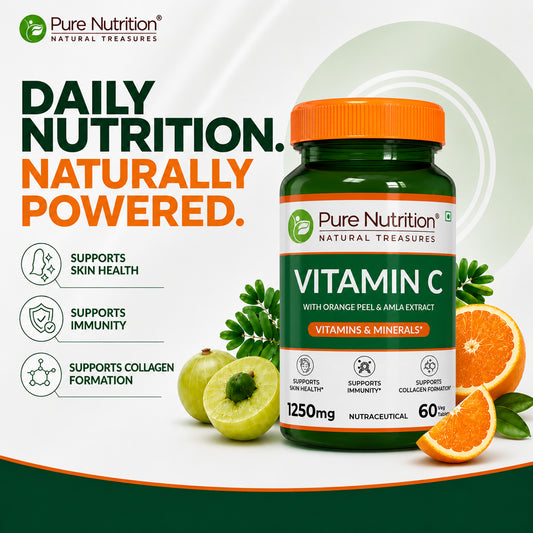
Vitamin C is available in three formats: 1250 mg tablets with amla and orange peel, effervescent tablets with amla and zinc for those who prefer a drink, and LipoMax liposomal vitamin C, a delivery format designed for absorption. Zinc comes as zinc citrate or zinc methionine, and selenium and plant-based vitamin A complete the antioxidant and immune-support options.
Sleep, Muscle, and Mind
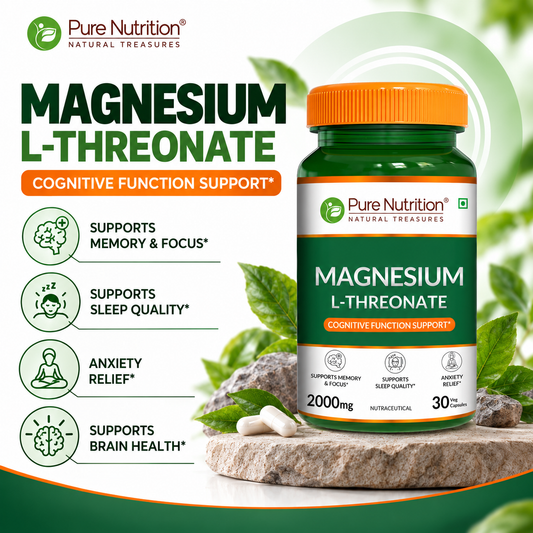
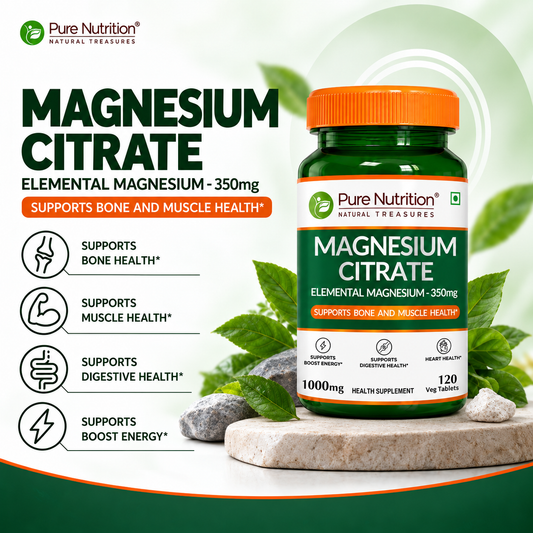
Three magnesium forms serve different goals: magnesium glycinate for relaxation, sleep quality, and muscle comfort; magnesium citrate for digestion and muscle function; and magnesium L-threonate, a form studied for brain and memory support. ZMA combines zinc and magnesium in a formula popular with active users for recovery and rest.
Trace Minerals and Electrolytes
Copper gluconate, chromium picolinate, plant-based iodine, potassium citrate 800 mg, and phosphorus 600 mg cover less common but essential minerals that most multivitamins include only in token amounts useful when a specific test result or dietary pattern calls for one of them.
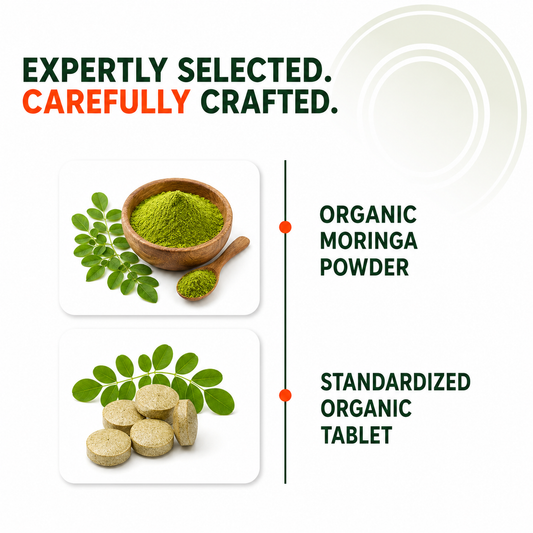
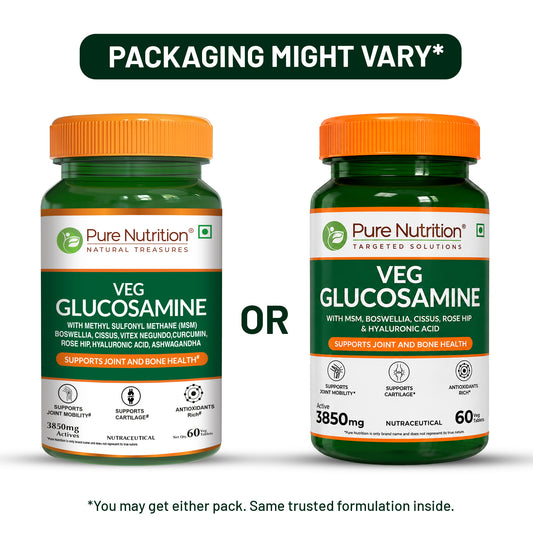
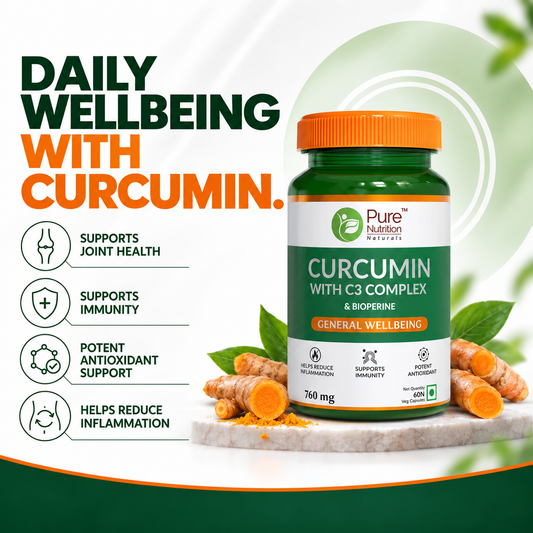
The collection also includes supportive nutraceuticals such as organic moringa, curcumin with BioPerine, vegetarian glucosamine with MSM, L-theanine, and cranberry with amla, which pair naturally with the core vitamin and mineral range.
How Do You Choose the Right Vitamin or Mineral Supplement?
Start from a confirmed need, then match the form and dose to it. In practice:
- Identify the gap first. Symptoms like persistent tiredness or poor sleep have many causes; a blood test and a doctor's advice tell you which nutrient, if any, is actually low.
- Check the form on the label. Methylcobalamin B12, ferrous bisglycinate iron, and chelated glycinate minerals are chosen for absorption and gentleness; the form matters as much as the dose.
- Match the dose to your requirement. More is not better fat-soluble vitamins (A, D, E, K) and minerals like iron can accumulate, so stay within label directions unless advised otherwise.
- Use smart pairings. Vitamin D3 works with K2, vitamin C helps iron absorb, and zinc pairs with magnesium in ZMA. Conversely, take calcium and iron at different times, as they compete for absorption.
- Check dietary suitability. Products in this collection are vegetarian, including plant-sourced D3 from lichen relevant because most conventional D3 is derived from lanolin (sheep's wool).
- Pick a format you will take consistently. Tablets, capsules, effervescent drinks, and liposomal formats all work; the best one is the one you take daily.
Vitamins and Minerals Supplements for Everyday Health
Pure Nutrition's vitamins and minerals supplements are single-nutrient and combination formulas including plant-based vitamin D3 + K2 sourced from lichen, methylcobalamin B12, chelated magnesium glycinate, and high-absorption zinc made in vegetarian-friendly tablets and capsules for India. Each product targets one specific need, such as bone strength, energy, immunity, sleep, or healthy iron levels, so you supplement only what your body actually requires. This collection covers essential vitamins (A, B-complex, C, D3, K2) and key minerals (magnesium, calcium, zinc, iron, selenium, iodine, boron, and more) in absorbable forms. Whether you follow a vegetarian diet, get limited sun exposure, or want to fill a specific nutritional gap, you can browse by health goal below and compare forms before you buy.
What Are Vitamin and Mineral Supplements?
Vitamin and mineral supplements provide essential micronutrients in measured doses when your daily diet does not supply enough of them. Vitamins are organic compounds some fat-soluble (A, D, E, K) and some water-soluble (B-complex, C) while minerals such as magnesium, zinc, iron, and calcium are inorganic elements your body cannot produce on its own. Because the body needs each of these in different amounts and absorbs each form differently, targeted supplementation works best when it matches a specific, identified need.
Why Choose Single-Nutrient Supplements Instead of a Multivitamin?
Single-nutrient supplements let you correct one specific gap at a meaningful dose, without doubling up on nutrients you already get from food. A multivitamin spreads small amounts across many nutrients; a targeted supplement like chelated magnesium glycinate or iron with folic acid concentrates on the one your body is short of.
The form of a nutrient also matters for absorption. Pure Nutrition uses forms chosen for bioavailability: methylcobalamin (the active form of B12), ferrous bisglycinate (a gentler chelated iron), magnesium glycinate and citrate, zinc citrate and zinc methionine, and vitamin K2 as MK-7. Chelated minerals minerals bound to amino acids such as glycine are generally easier on the stomach than basic oxide or sulfate forms, which is why several minerals in this collection come as glycinates.
What Is in the Pure Nutrition Vitamins and Minerals Collection?
This collection contains 40 targeted supplements, organised here by the health goal shoppers most often search for.
Bone and Joint Support
Vitamin D3 + K2 from lichen is a plant-based tablet that pairs vitamin D3 (which aids calcium absorption) with K2 as MK-7 (which supports calcium being used in bones). Vitamin K2 MK-7 with D3 offers 55 mcg of K2 per serving, Ultra Calcium combines calcium with D3, K2, zinc, and magnesium in one capsule, and chelated boron (3 mg and 6 mg glycinate options) and Ca-AKG (calcium alpha-ketoglutarate 500 mg) round out the bone-support range.
Energy, Blood, and Nerve Health
Vitamin B12 as methylcobalamin supports energy metabolism and cognitive health in a form the body can use directly a practical choice for vegetarians, since B12 occurs mainly in animal foods. The B Complex covers all eight B vitamins, and single B vitamins (B1 thiamine, B3 niacin, B6 pyridoxine) are available for targeted use. Iron with Folic Acid uses ferrous bisglycinate with vitamin C, B12, and zinc to support haemoglobin production and help maintain healthy iron levels.
Immunity and Skin
Vitamin C is available in three formats: 1250 mg tablets with amla and orange peel, effervescent tablets with amla and zinc for those who prefer a drink, and LipoMax liposomal vitamin C, a delivery format designed for absorption. Zinc comes as zinc citrate or zinc methionine, and selenium and plant-based vitamin A complete the antioxidant and immune-support options.
Sleep, Muscle, and Mind
Three magnesium forms serve different goals: magnesium glycinate for relaxation, sleep quality, and muscle comfort; magnesium citrate for digestion and muscle function; and magnesium L-threonate, a form studied for brain and memory support. ZMA combines zinc and magnesium in a formula popular with active users for recovery and rest.
Trace Minerals and Electrolytes
Copper gluconate, chromium picolinate, plant-based iodine, potassium citrate 800 mg, and phosphorus 600 mg cover less common but essential minerals that most multivitamins include only in token amounts useful when a specific test result or dietary pattern calls for one of them.
The collection also includes supportive nutraceuticals such as organic moringa, curcumin with BioPerine, vegetarian glucosamine with MSM, L-theanine, and cranberry with amla, which pair naturally with the core vitamin and mineral range.
How Do You Choose the Right Vitamin or Mineral Supplement?
Start from a confirmed need, then match the form and dose to it. In practice:
- Identify the gap first. Symptoms like persistent tiredness or poor sleep have many causes; a blood test and a doctor's advice tell you which nutrient, if any, is actually low.
- Check the form on the label. Methylcobalamin B12, ferrous bisglycinate iron, and chelated glycinate minerals are chosen for absorption and gentleness; the form matters as much as the dose.
- Match the dose to your requirement. More is not better fat-soluble vitamins (A, D, E, K) and minerals like iron can accumulate, so stay within label directions unless advised otherwise.
- Use smart pairings. Vitamin D3 works with K2, vitamin C helps iron absorb, and zinc pairs with magnesium in ZMA. Conversely, take calcium and iron at different times, as they compete for absorption.
- Check dietary suitability. Products in this collection are vegetarian, including plant-sourced D3 from lichen relevant because most conventional D3 is derived from lanolin (sheep's wool).
- Pick a format you will take consistently. Tablets, capsules, effervescent drinks, and liposomal formats all work the best one is the one you take daily.
Which Magnesium Should You Choose?
Magnesium glycinate suits sleep and relaxation, magnesium citrate suits digestion and everyday muscle support, and magnesium L-threonate is the option aimed at brain and memory support. All three appear in this collection, so choose by goal
Magnesium supplements come in different forms, each suited to different wellness needs. Magnesium Glycinate is commonly used to support sleep quality, muscle relaxation and nerve health. It is chelated with glycine and is generally gentle on the stomach, with 2,000 mg of magnesium glycinate per serving. Magnesium Citrate is well suited for digestion, energy and everyday muscle support. It uses a well-absorbed citrate salt and comes in a 120-tablet pack. Magnesium L-Threonate is a newer form of magnesium developed for cognitive applications and is often chosen to support brain health, memory and focus. ZMA (Zinc + Magnesium) combines two essential minerals in one nightly formula, making it suitable for active lifestyles, recovery and rest.
Frequently Asked Questions
Q . What is the difference between vitamins and minerals?
A. Vitamins are organic compounds made by plants or animals, while minerals are inorganic elements absorbed from soil and water through food. Both are micronutrients your body needs in small amounts but cannot produce sufficiently on its own. Vitamins can be broken down by heat or air; minerals hold their chemical structure.
Q . Is it better to take a multivitamin or individual vitamin and mineral supplements?
A. Individual supplements are better when you know which nutrient you lack, because they deliver a meaningful dose of that one nutrient. A multivitamin suits general top-up use but contains smaller amounts of each ingredient. If a test shows low B12, vitamin D, or iron, a targeted single-nutrient supplement addresses it more directly.
Q . Why are vitamin D3 and K2 taken together?
A. Vitamin D3 helps your body absorb calcium, and vitamin K2 (MK-7) supports directing that calcium toward bones. Taking them together supports bone health more completely than D3 alone, which is why Pure Nutrition offers combined D3 + K2 tablets, including a plant-based version sourced from lichen.
Q . Are Pure Nutrition vitamins and minerals supplements vegetarian?
A. Yes, products in this collection are vegetarian-friendly tablets and capsules. The Vitamin D3 + K2 is sourced from lichen, a plant-based alternative to the lanolin-derived D3 used in most conventional supplements, and the vitamin A option is also plant-based.
Q . When is the best time to take vitamins and minerals?
A. Take fat-soluble vitamins (A, D3, K2) with a meal containing some fat, and iron away from calcium-rich foods or supplements, ideally with vitamin C. Magnesium glycinate and ZMA are commonly taken in the evening. Follow each product's label directions most Pure Nutrition tablets are taken once daily after a meal.
Q . Can supplements replace a balanced diet?
A. No. Vitamin and mineral supplements fill specific gaps; they cannot replicate the fibre, protein, and thousands of plant compounds in whole foods. Treat them as an addition to a varied diet not a substitute for it and review your routine with a healthcare professional periodically.
Q . How do I know if I need an iron or B12 supplement?
A. The only reliable way to confirm low iron or B12 is a blood test. Fatigue, breathlessness, or pale skin can suggest low haemoglobin, and vegetarians are at higher risk of low B12 because it occurs mainly in animal foods but symptoms overlap with other conditions, so consult a doctor before starting supplementation
Q . Are there risks in taking too many vitamins and minerals?
A. Yes. High doses of fat-soluble vitamins (A, D, E, K) and minerals such as iron, zinc, and selenium can accumulate and cause harm over time. Stay within the dosage printed on each label, avoid stacking multiple products containing the same nutrient, and check with a doctor if you take medication.
Disclaimer: The products in this collection are nutraceutical/food supplements, not medicines. They are not intended to diagnose, treat, cure, or prevent any disease. The information on this page is for general educational purposes and is not a substitute for professional medical advice. Consult a qualified healthcare professional before starting any supplement, especially if you are pregnant, nursing, under 18, have a medical condition, or take medication. Do not exceed the recommended daily dose. Food supplements should not replace a varied, balanced diet and healthy lifestyle.